Fall in Love With Thailand
Small private groups, no rushing and no scripts - just a local showing you their favorite corners of Thailand. Find yours below.
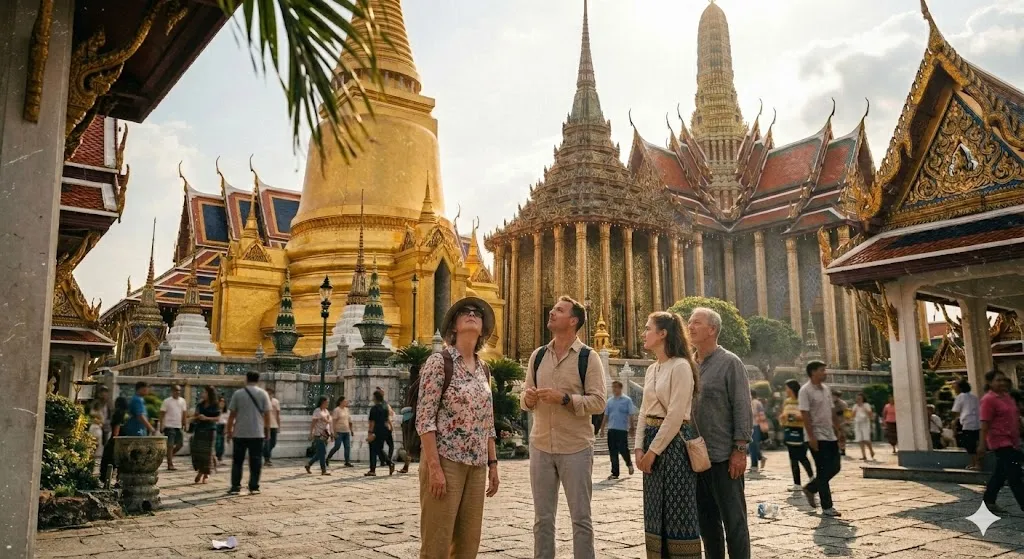
 Expert local English-speaking guide
Grand Palace & the Reclining Buddha
The Emerald Buddha isn't emerald. The Reclining Buddha maps the cosmos. There's more here than most visitors ever find out.
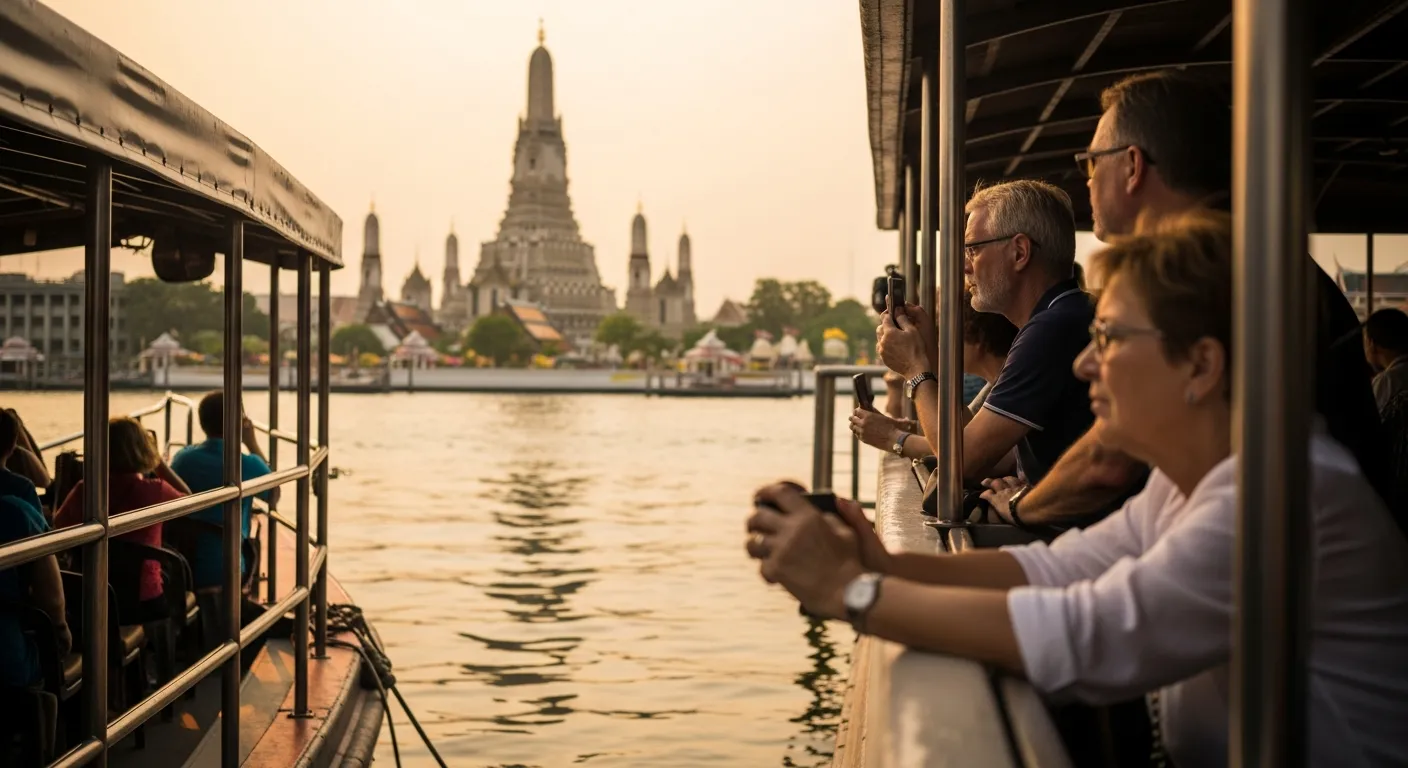 Expert local English-speaking guide
Three Temples by the River
A Buddha hidden for centuries. A tower built from donated porcelain. Three temples with stories most visitors walk past.
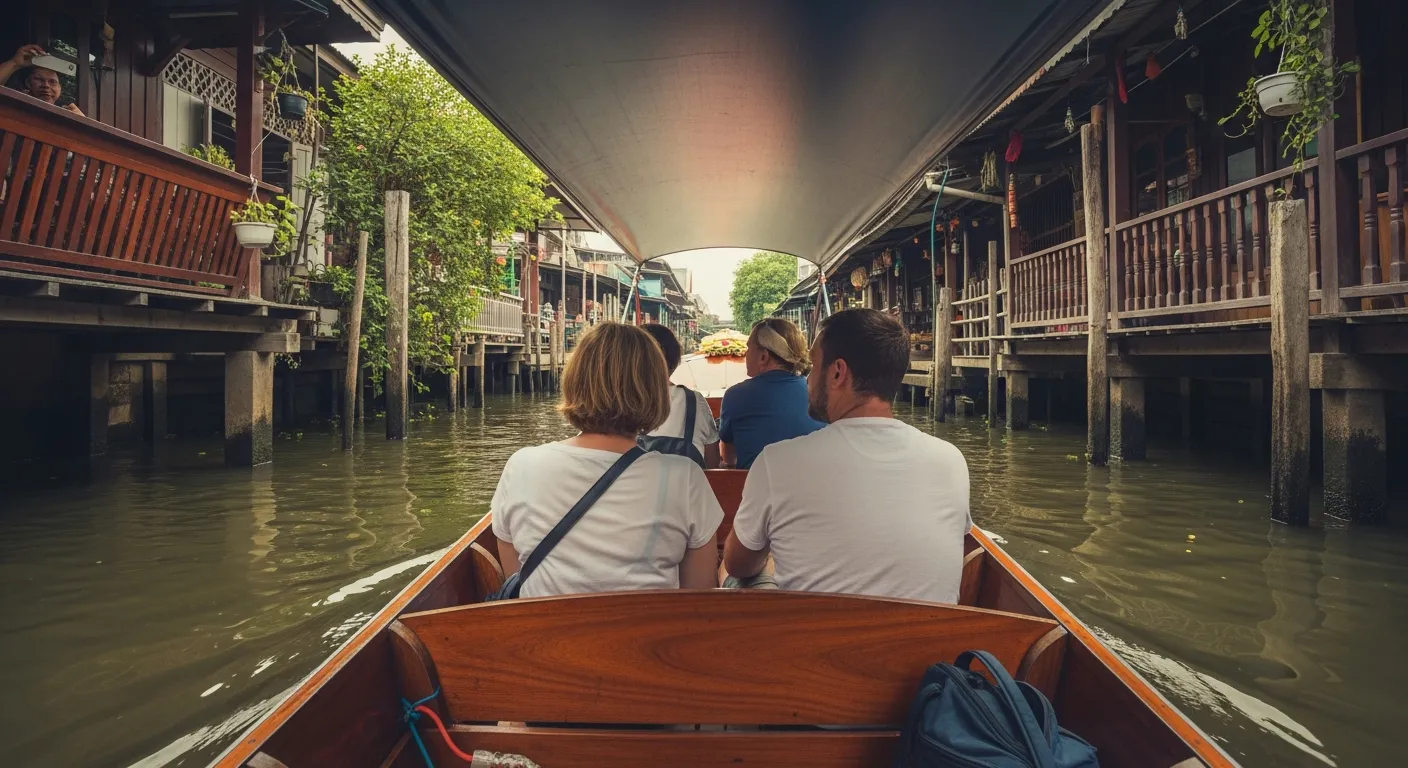 Expert local English-speaking guide
Thonburi Canals & Wat Pak Nam
Bangkok's original roads are canals. Most of the city has forgotten. This tour remembers.
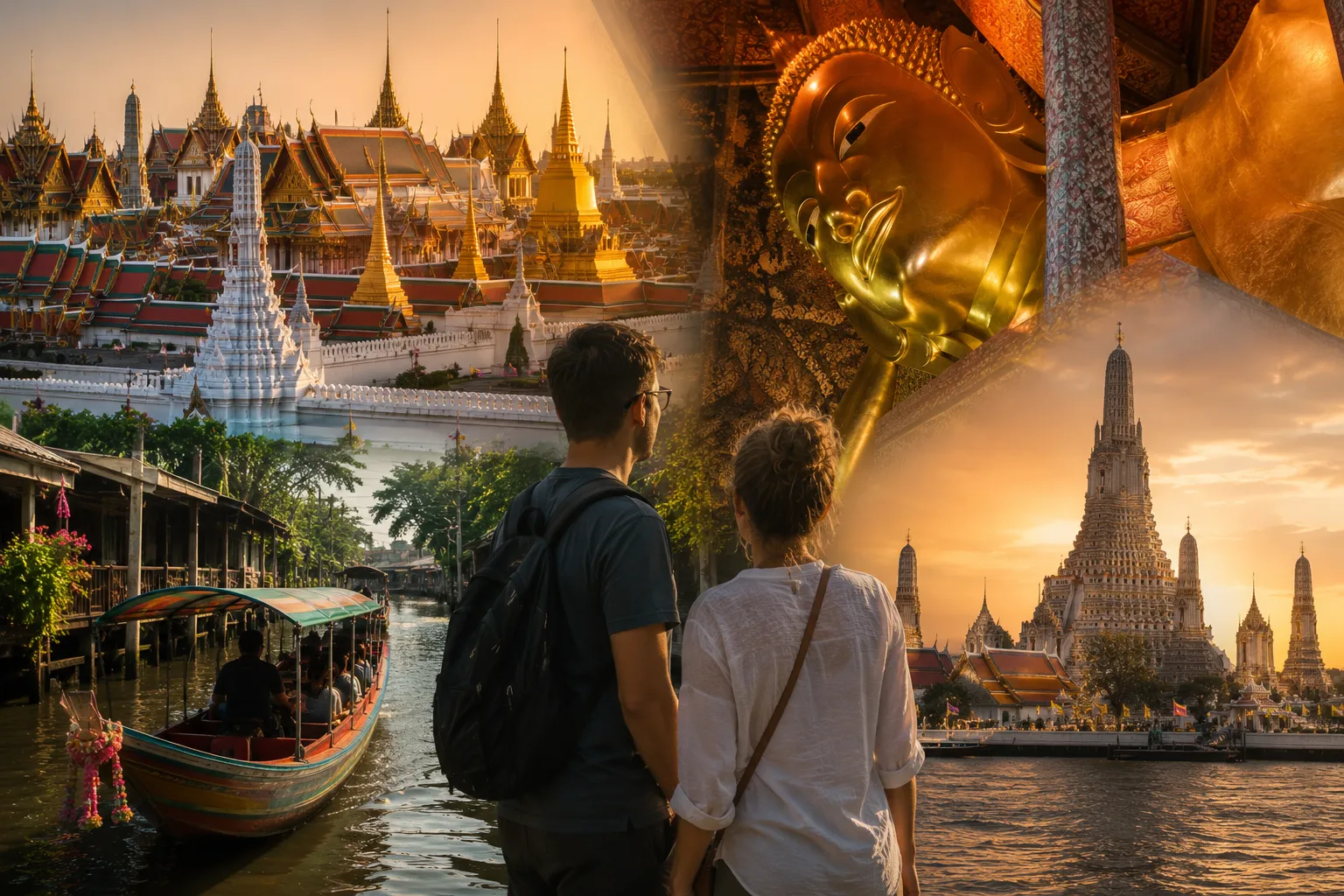 Expert local English-speaking guide
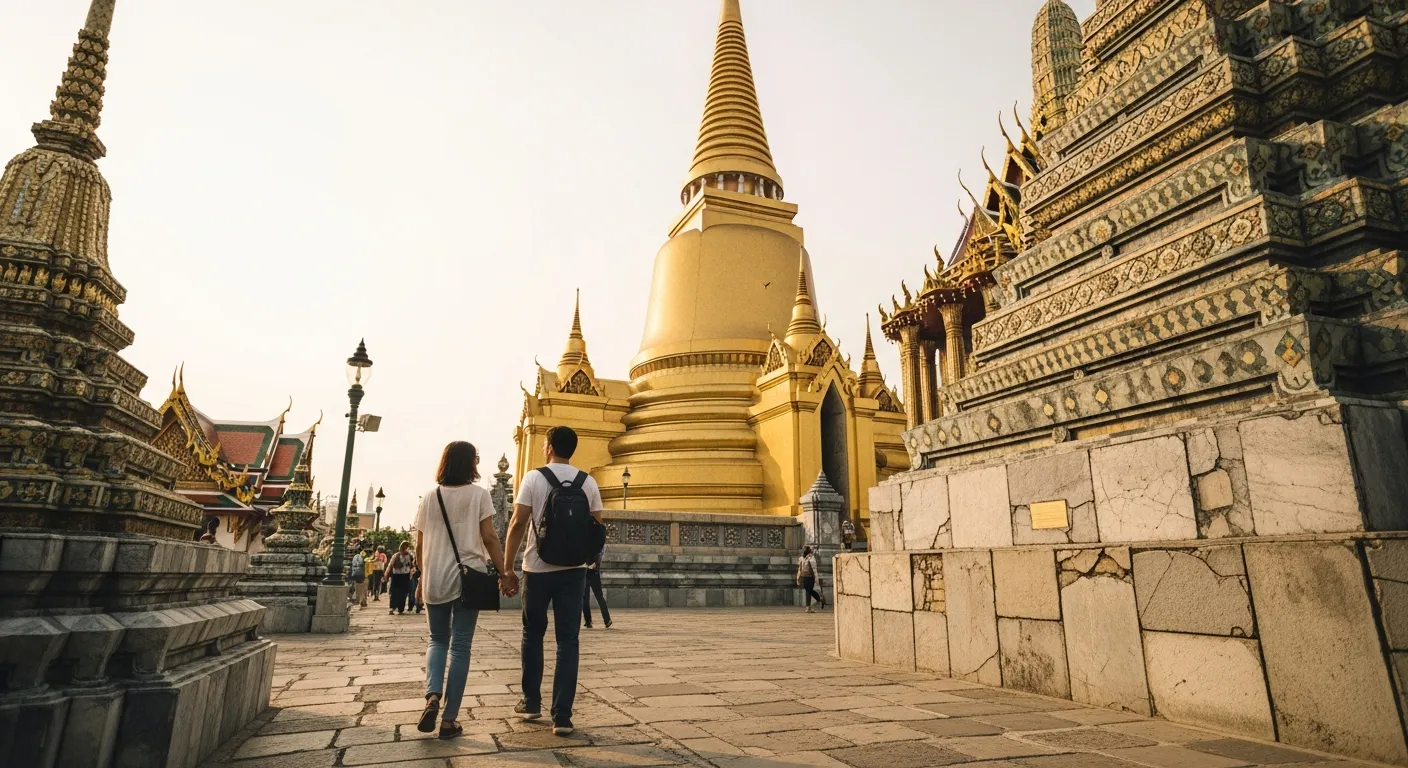
Bangkok's Royal Day
Four sites. Two sides of the river. The history that connects them — and a day that actually makes sense of Bangkok.
 Expert local English-speaking guide
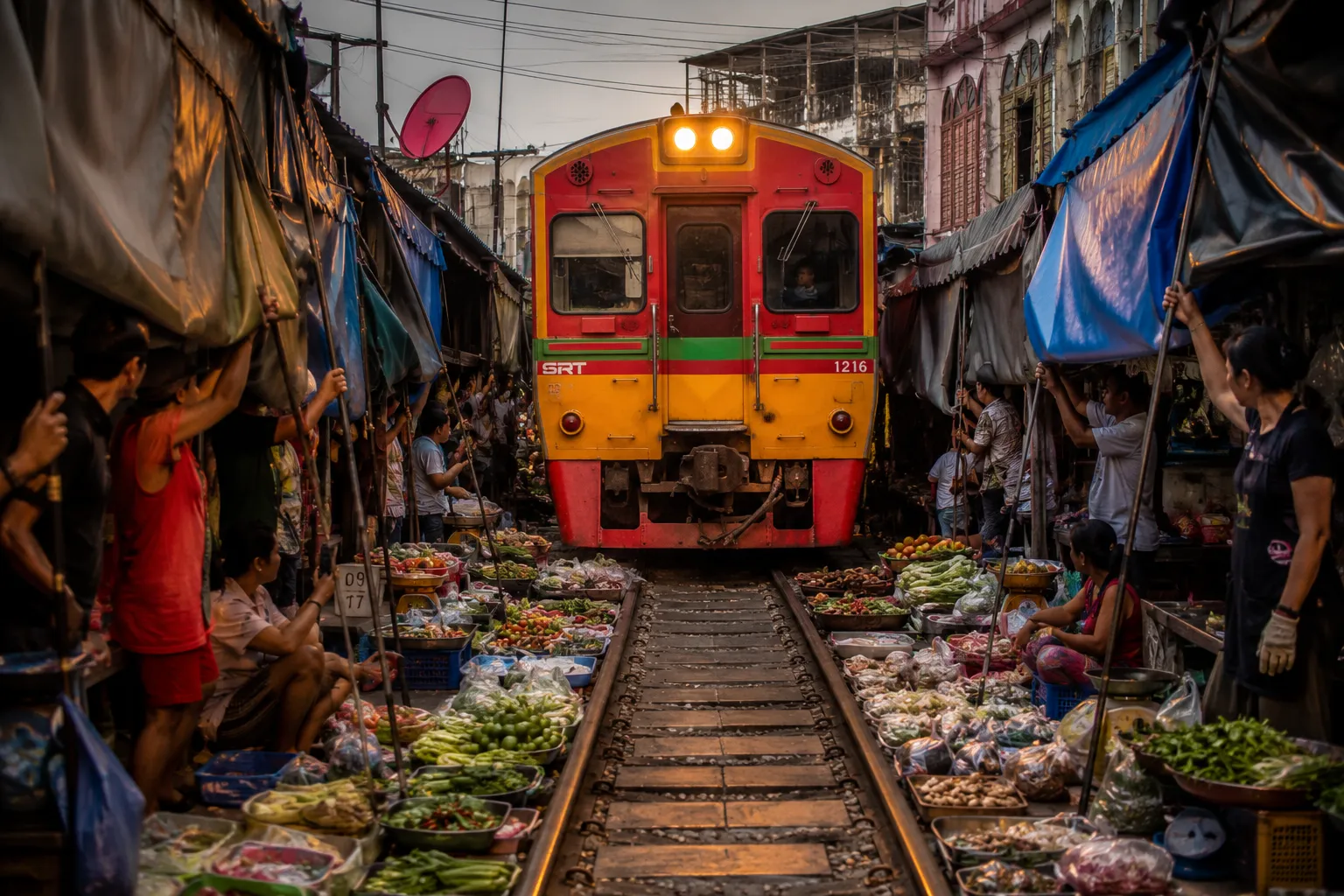
Bangkok in a Day
Royal Bangkok in the morning. Chinatown's back alleys in the afternoon. One city, properly introduced.
 Expert local English-speaking guide
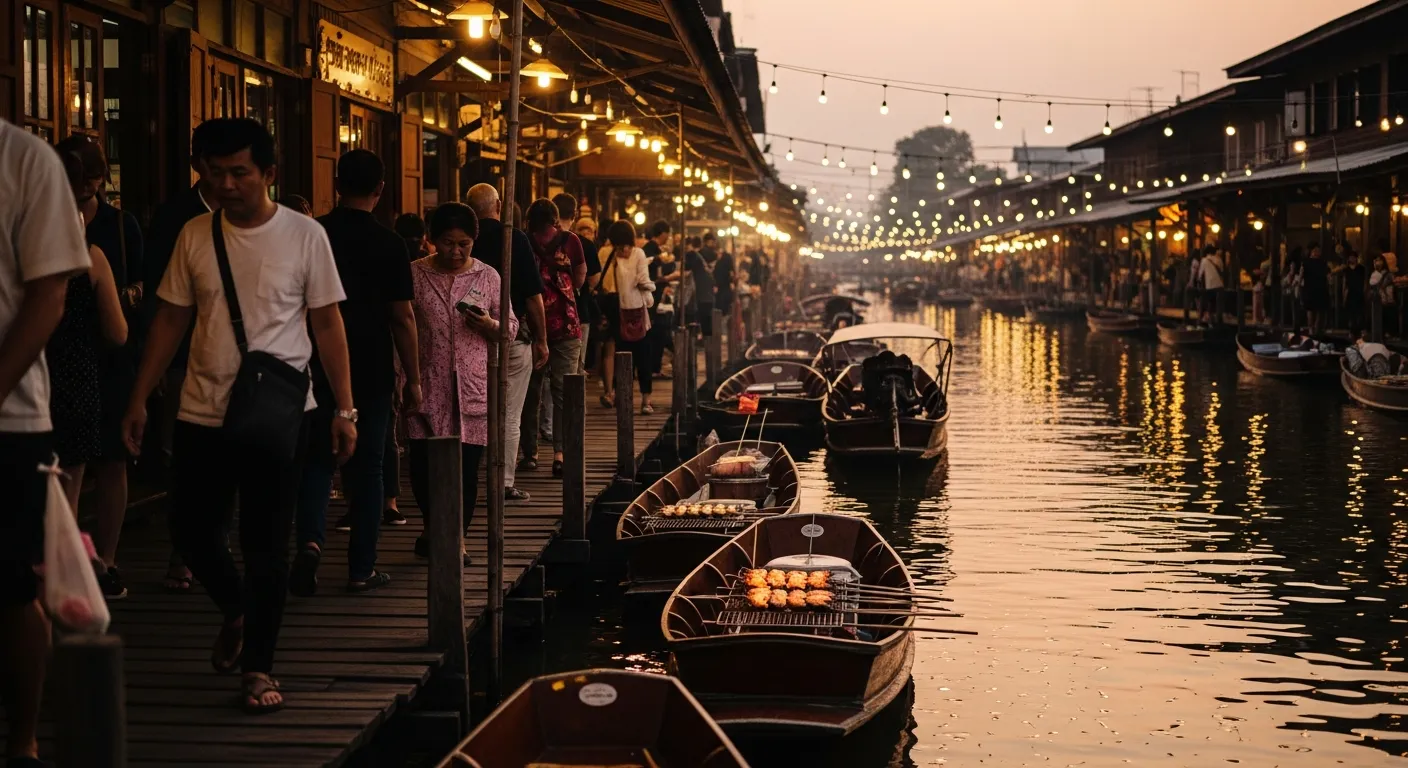
Damnoen Saduak & Maeklong Railway
A canal market that's been trading since 1866. A street market that folds itself back for an active train. Two days' worth of stories in one.
 Expert local English-speaking guide
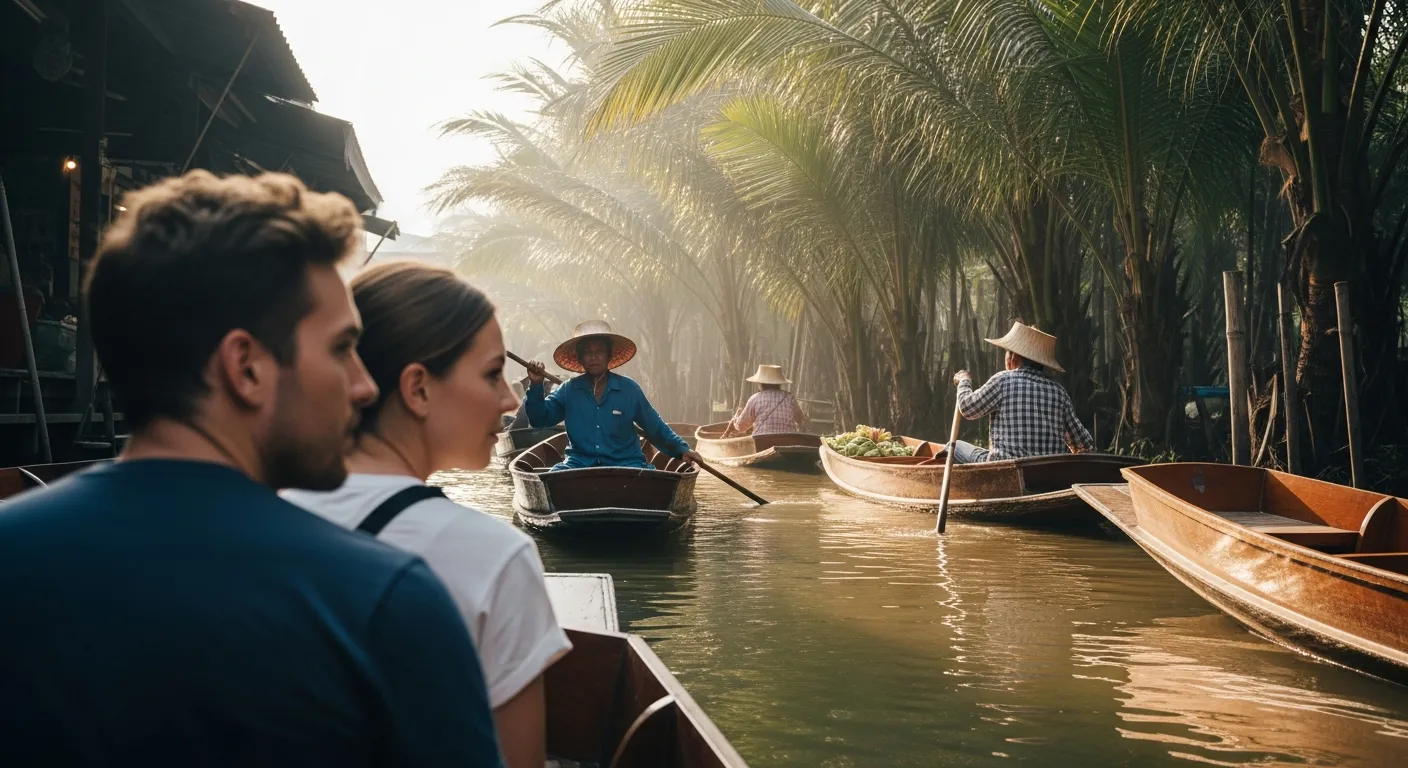
Amphawa Evening & Fireflies
Grilled seafood on the water as the sun drops. Thousands of fireflies lighting the mangroves after dark. Bangkok doesn't advertise this one.
 Expert local English-speaking guide
Tha Kha: A Weekend Market Morning
The floating market locals go to. Produce, wooden boats, canal village. Not in the travel brochures for a reason.
 Expert local English-speaking guide
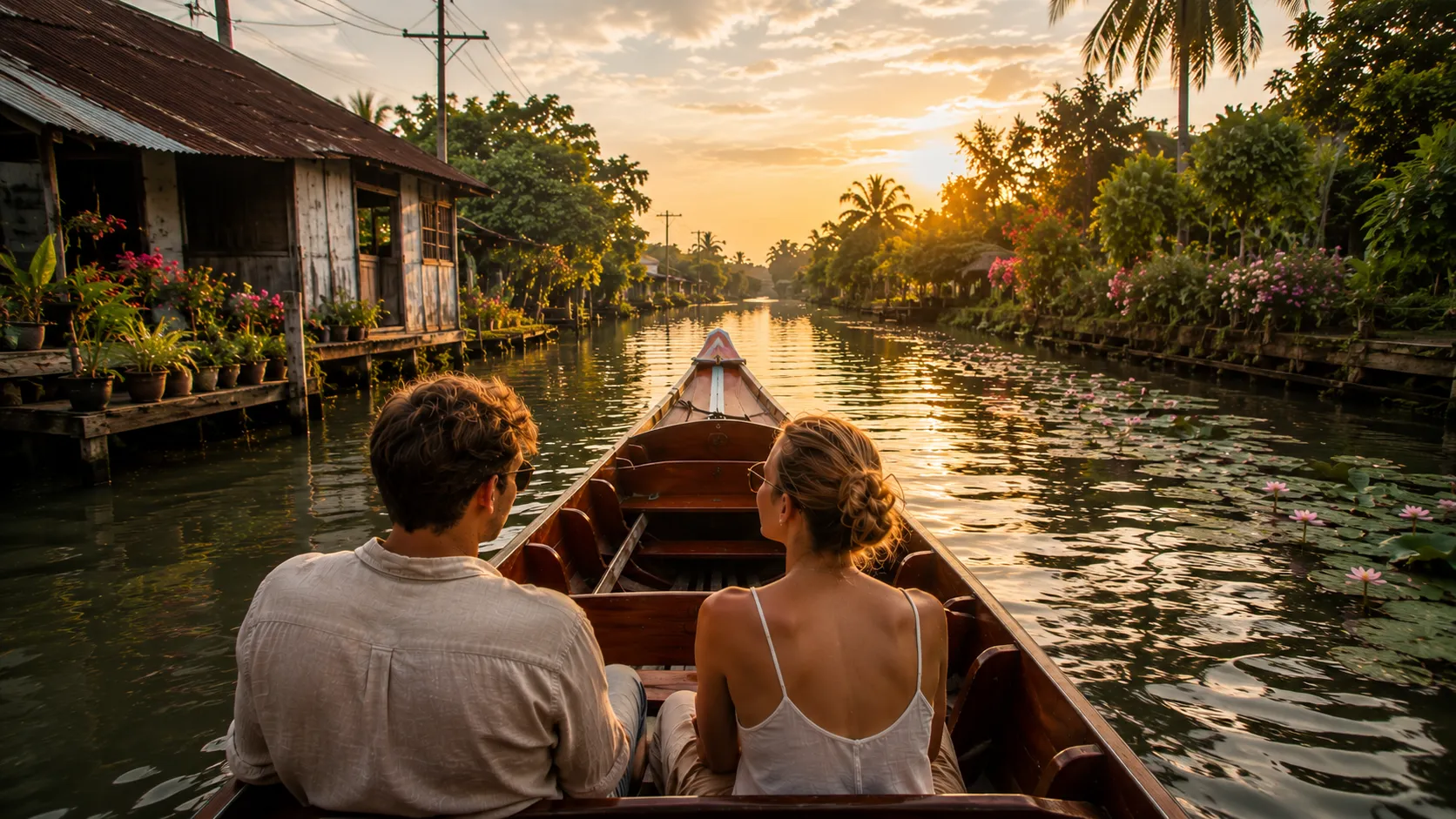
Mahasawat Canal by Longtail
Orchid farms and rice paddies by longtail boat. An hour from Bangkok — a world away from it.
 Expert local English-speaking guide
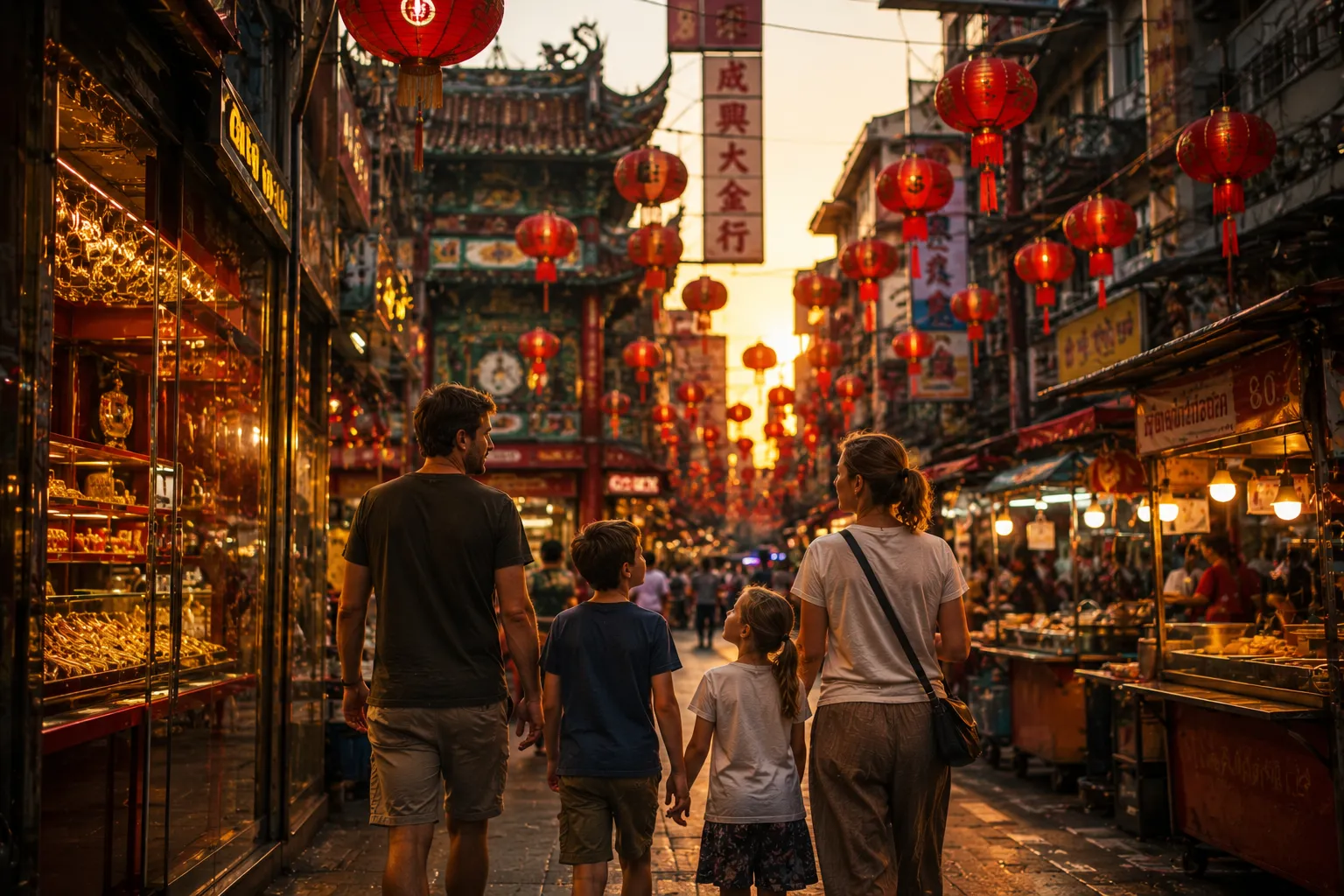
Yaowarat & Talad Noi on Foot
Gold shops, red lanterns, century-old alleys and the street food stalls locals actually queue at. Chinatown on foot, properly.
 Expert local English-speaking guide
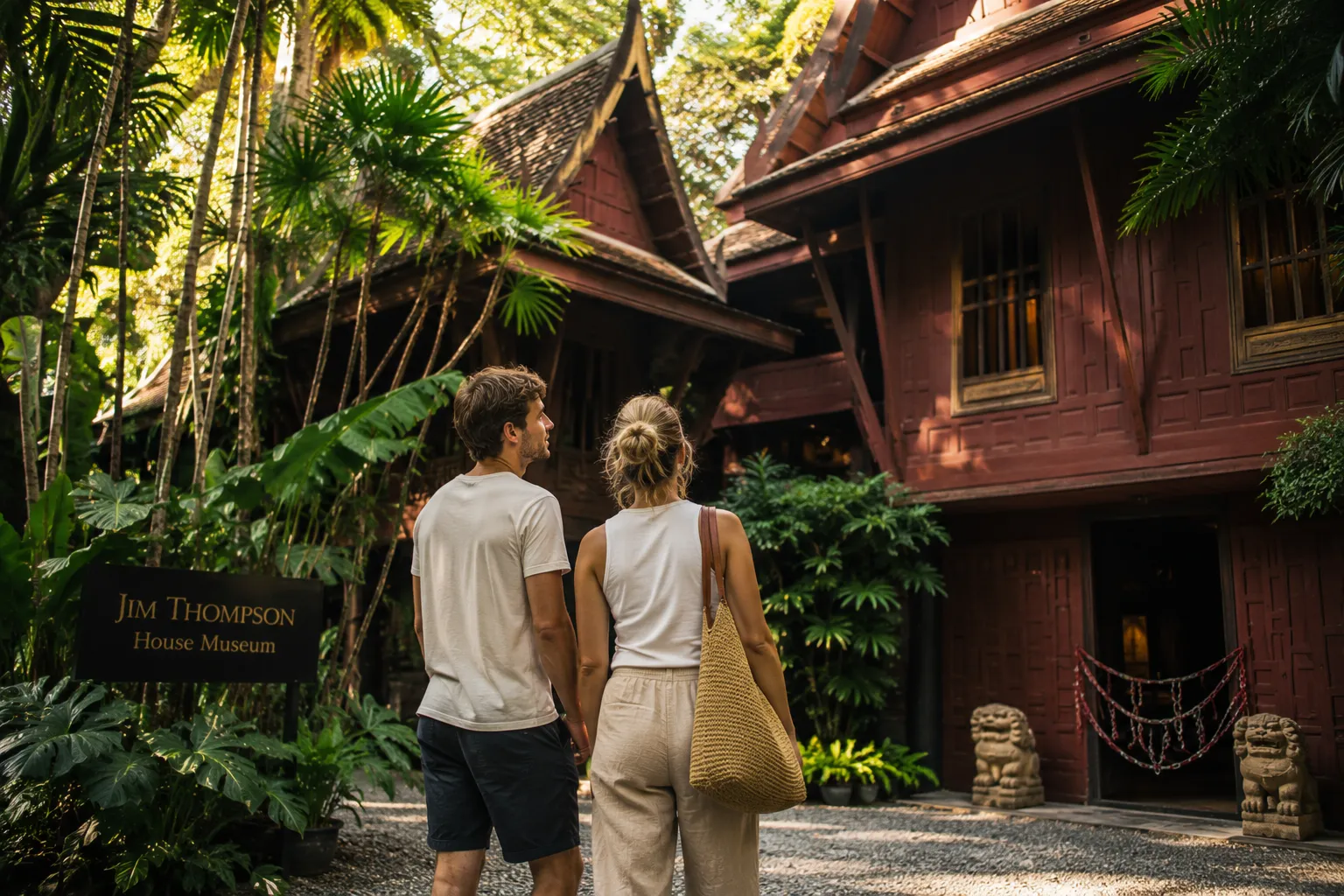
Jim Thompson & the Silk Quarter
He came to Bangkok in 1945, rebuilt the Thai silk industry, and vanished in 1967. The house he left behind is extraordinary.
 Expert local English-speaking guide
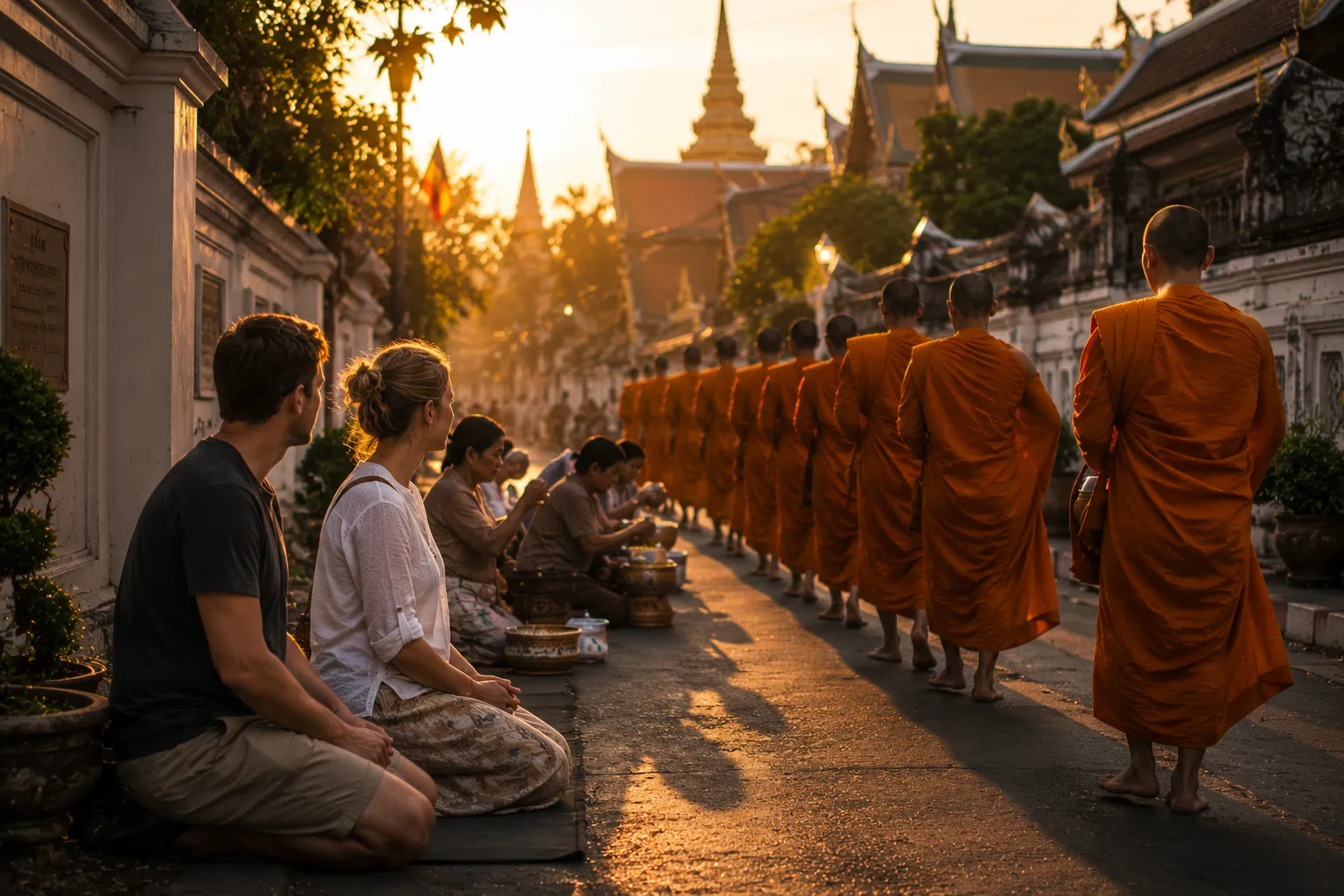
Sunrise Almsgiving in Old Bangkok
Bangkok's monks walk in silence at dawn every single day. Most visitors sleep through it. This one doesn't.
 Expert local English-speaking guide
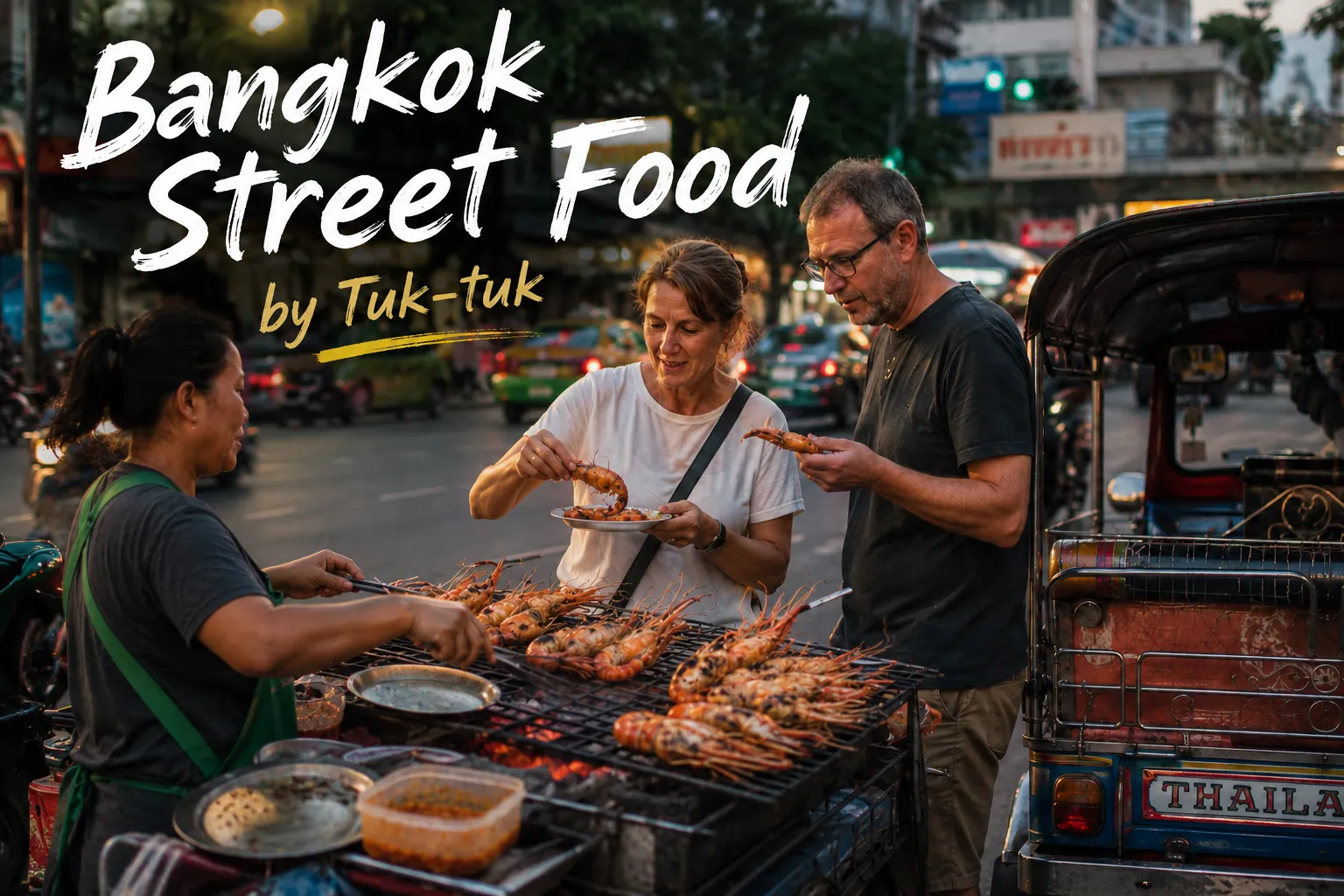
Bangkok Street Food by Tuk-tuk
Bangkok's best street food isn't on the tourist strip. Four to five stops by tuk-tuk — the vendors Monika actually goes to.
 Expert local English-speaking guide
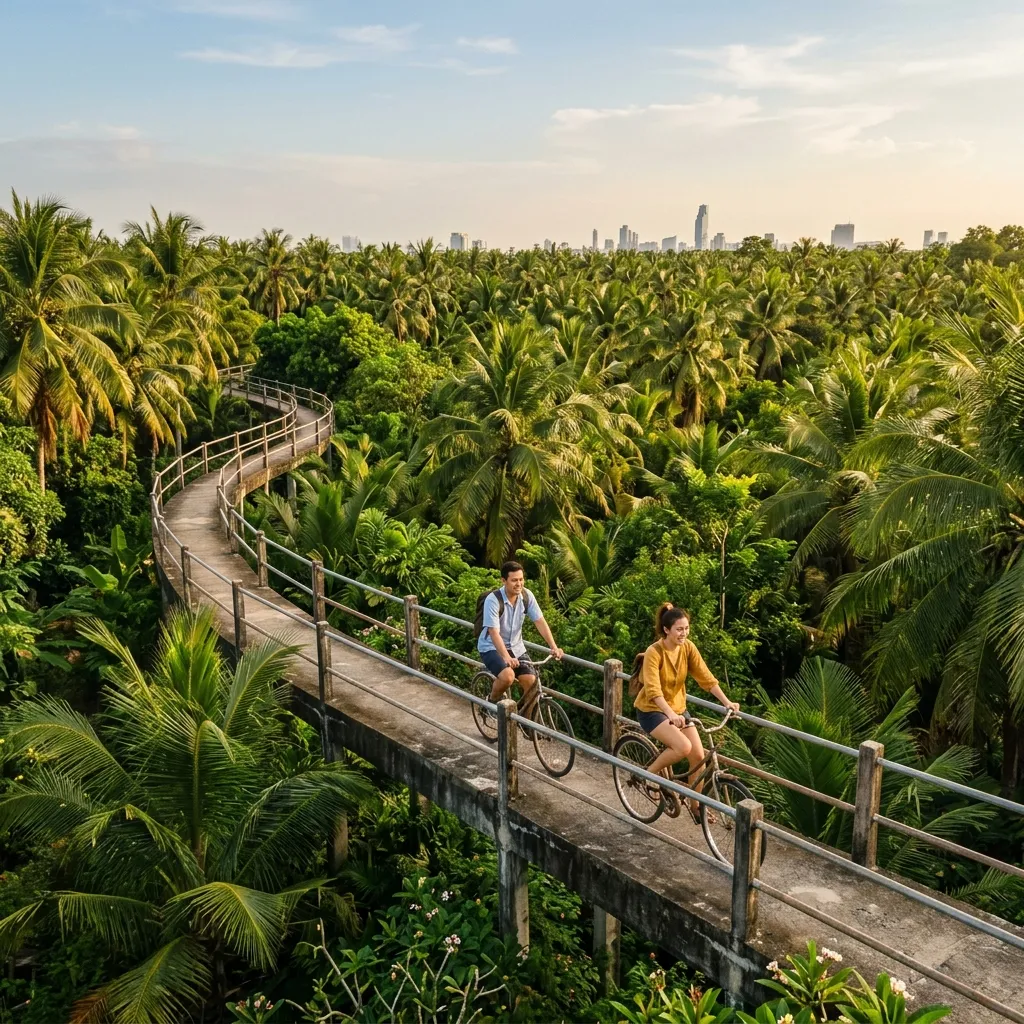
Bang Krachao by Bicycle
A short river crossing, a bicycle, and a loop of land Bangkok forgot to develop. Coconut groves fifteen minutes from the city centre.
 Expert local English-speaking guide
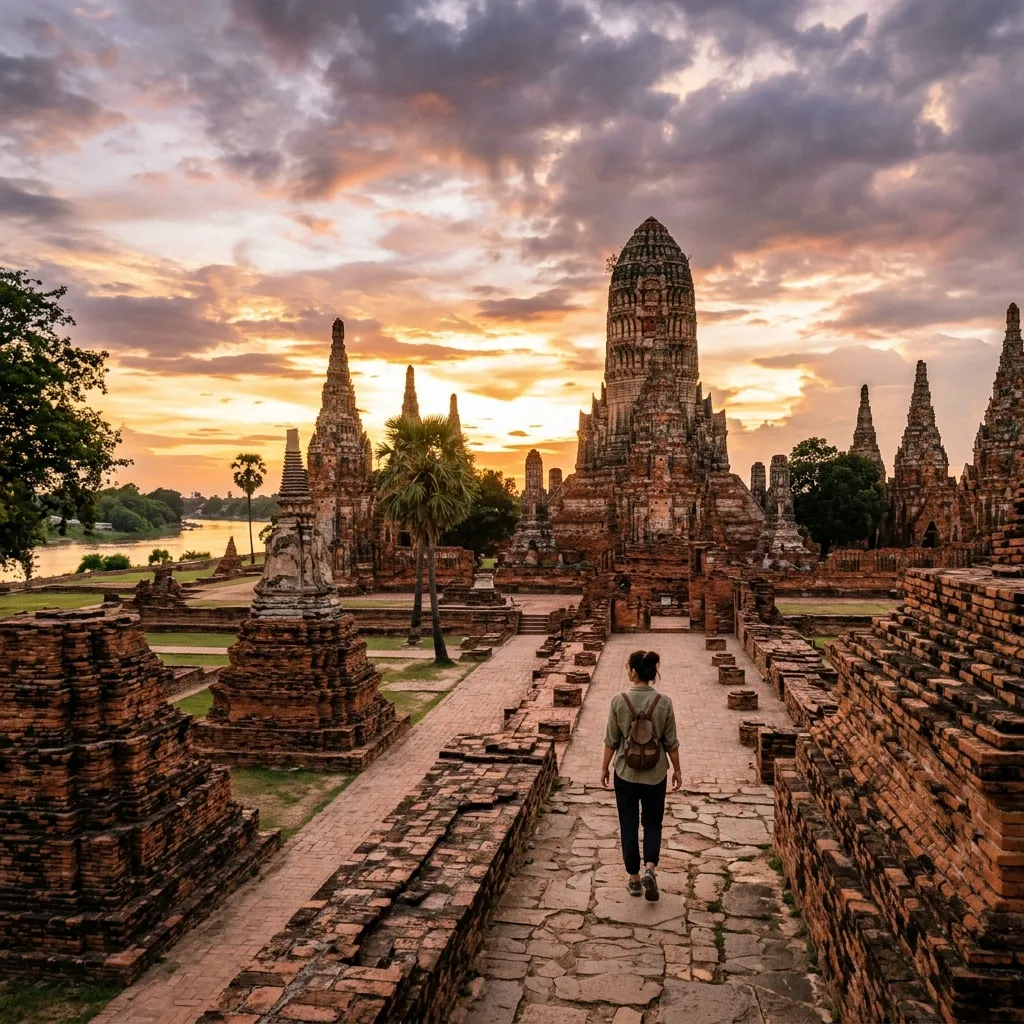
Ayutthaya: The Lost Capital
For 400 years one of the wealthiest cities on earth. In 1767 the Burmese burned it to the ground. The ruins are UNESCO-listed and genuinely extraordinary.
 Expert local English-speaking guide
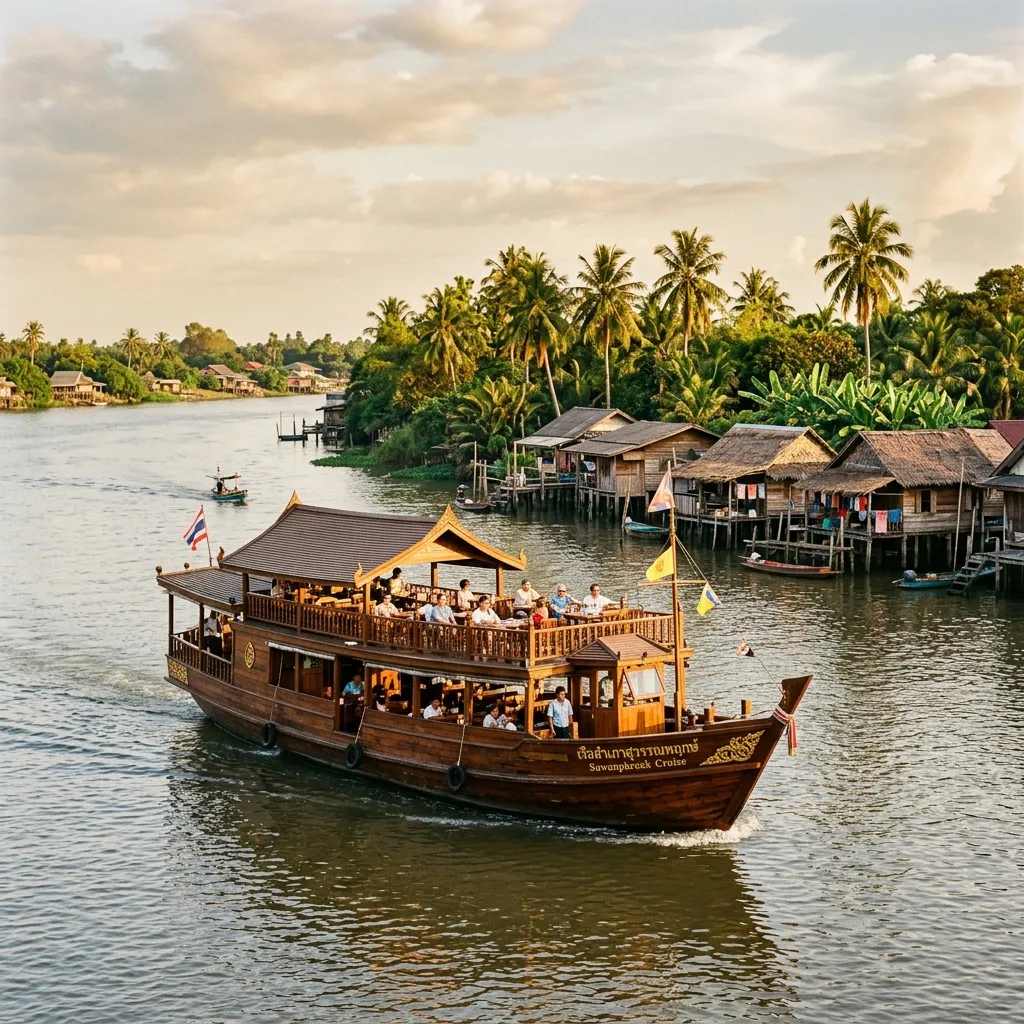
Ayutthaya by Land & River
Ayutthaya's ruins in the morning. The Chao Phraya back to Bangkok in the afternoon. The ancient capital, then the river that replaced it.
 Expert local English-speaking guide
Two Ancient Capitals
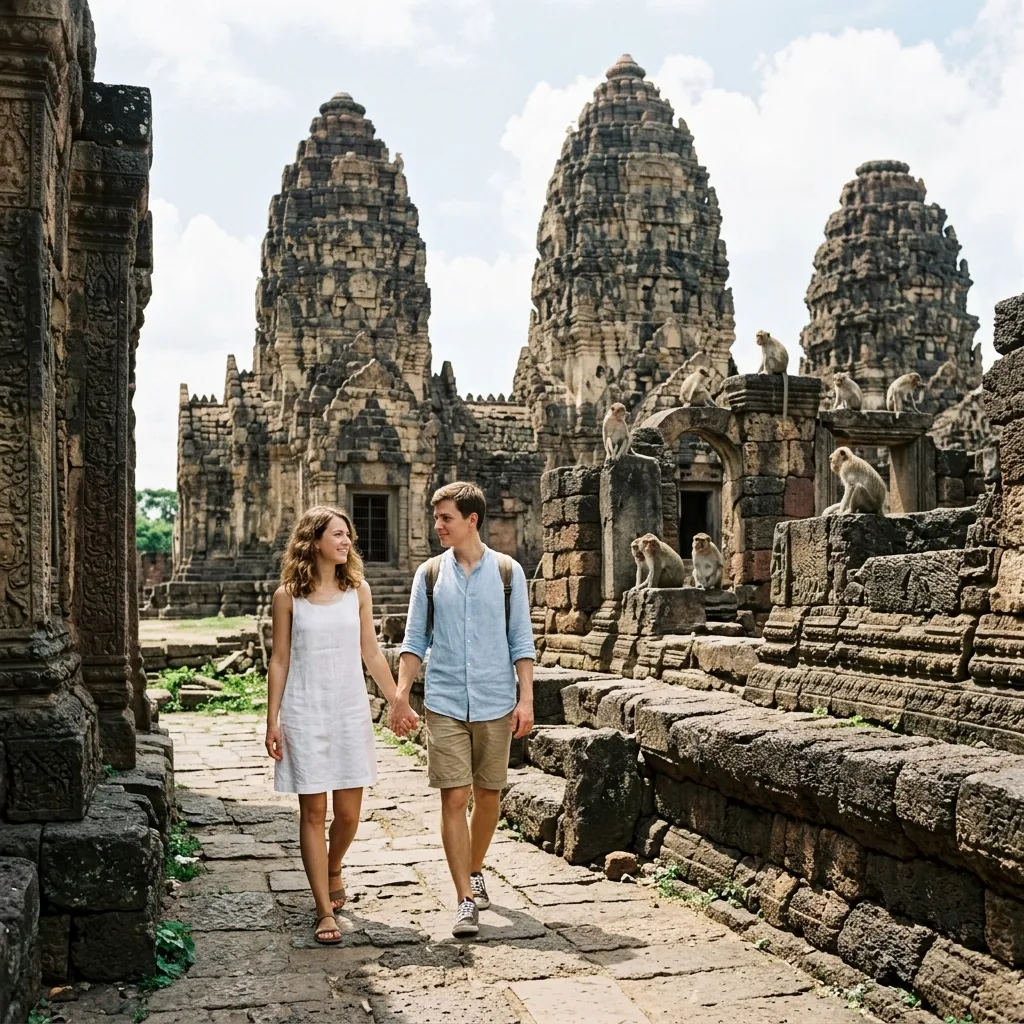
Ayutthaya's fallen temples, then Lopburi's ruins — occupied by hundreds of macaques and the ghost of a king who hosted Louis XIV.
 Expert local English-speaking guide
River Kwai & Erawan Falls
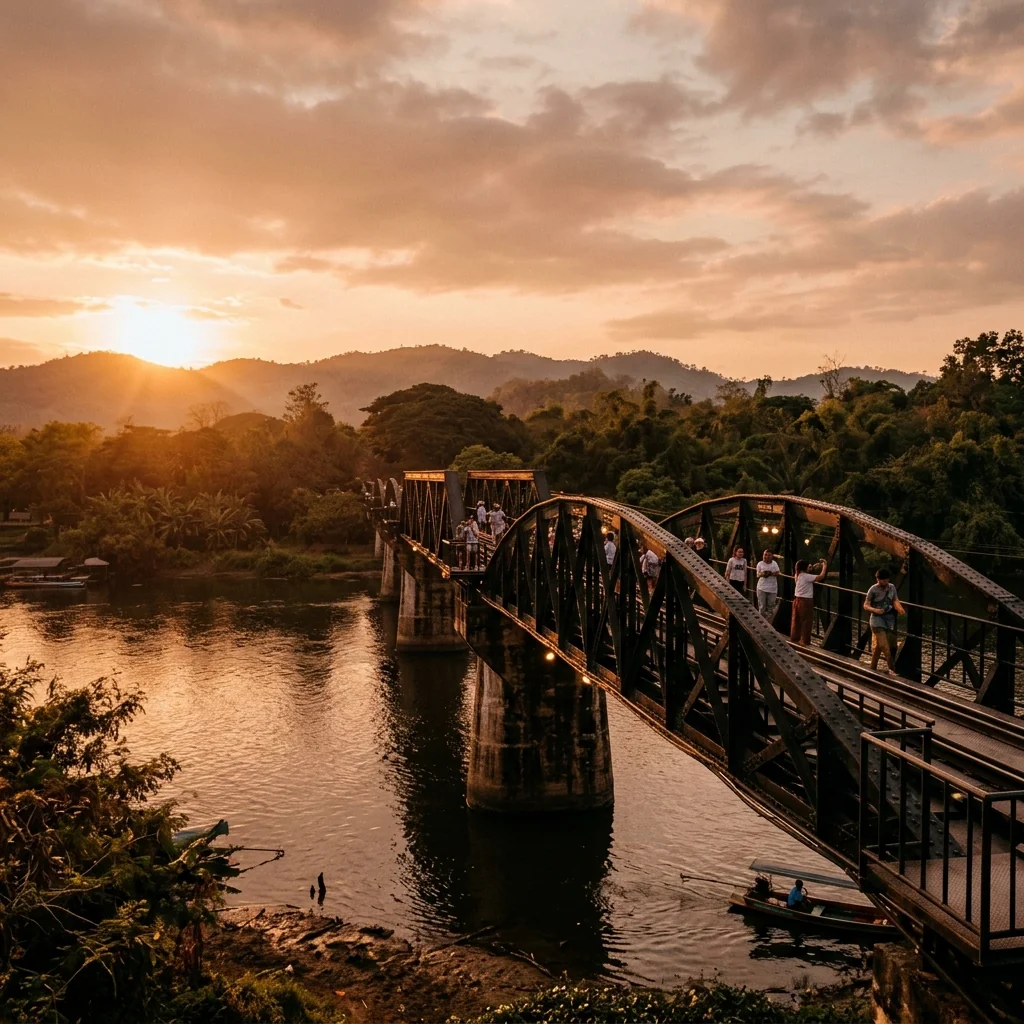
A bridge built by POWs under conditions that killed tens of thousands. Then seven tiers of turquoise water in a national park jungle. Same province, one day.
 Expert local English-speaking guide
Khao Yai: Jungle & Wildlife
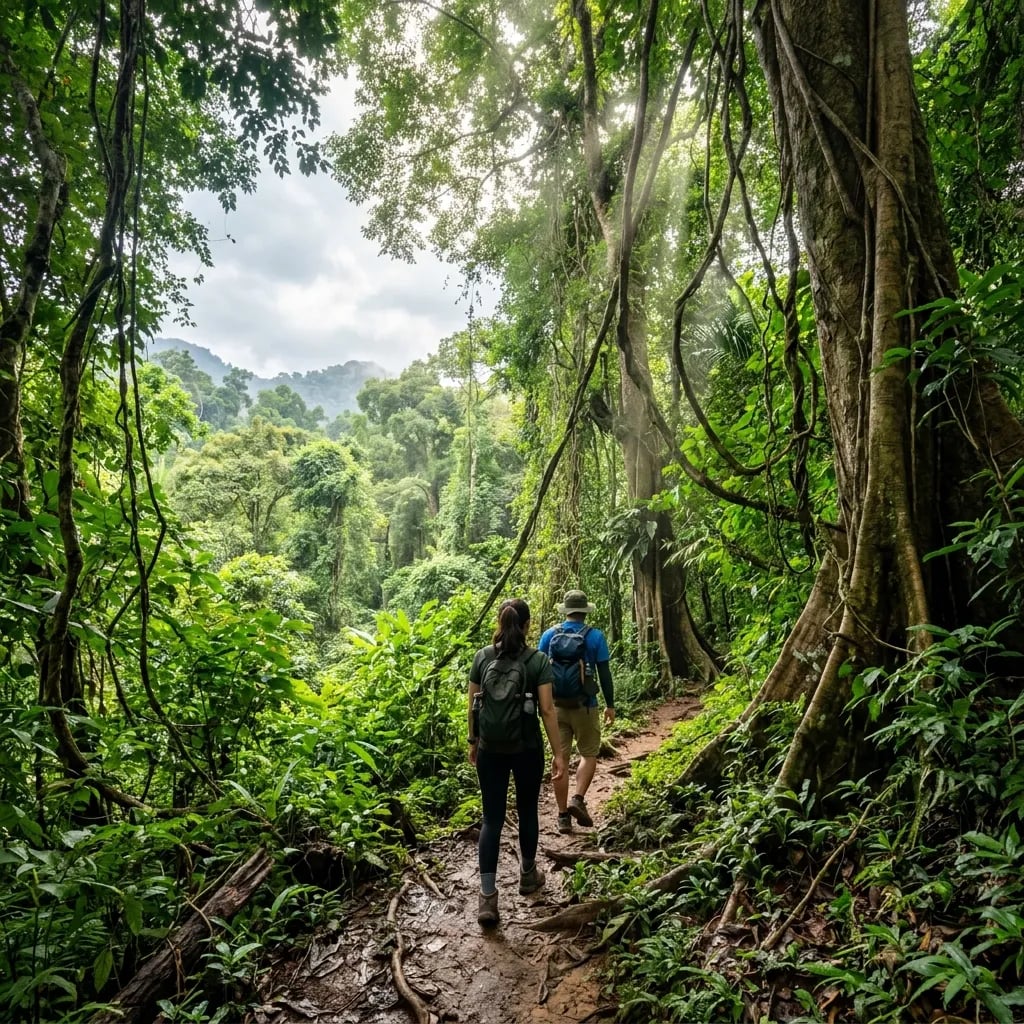
UNESCO jungle, wild elephants, a 150-metre waterfall. Thailand's oldest national park, a few hours from Bangkok.
 Expert local English-speaking guide
Elephant Sanctuary Day
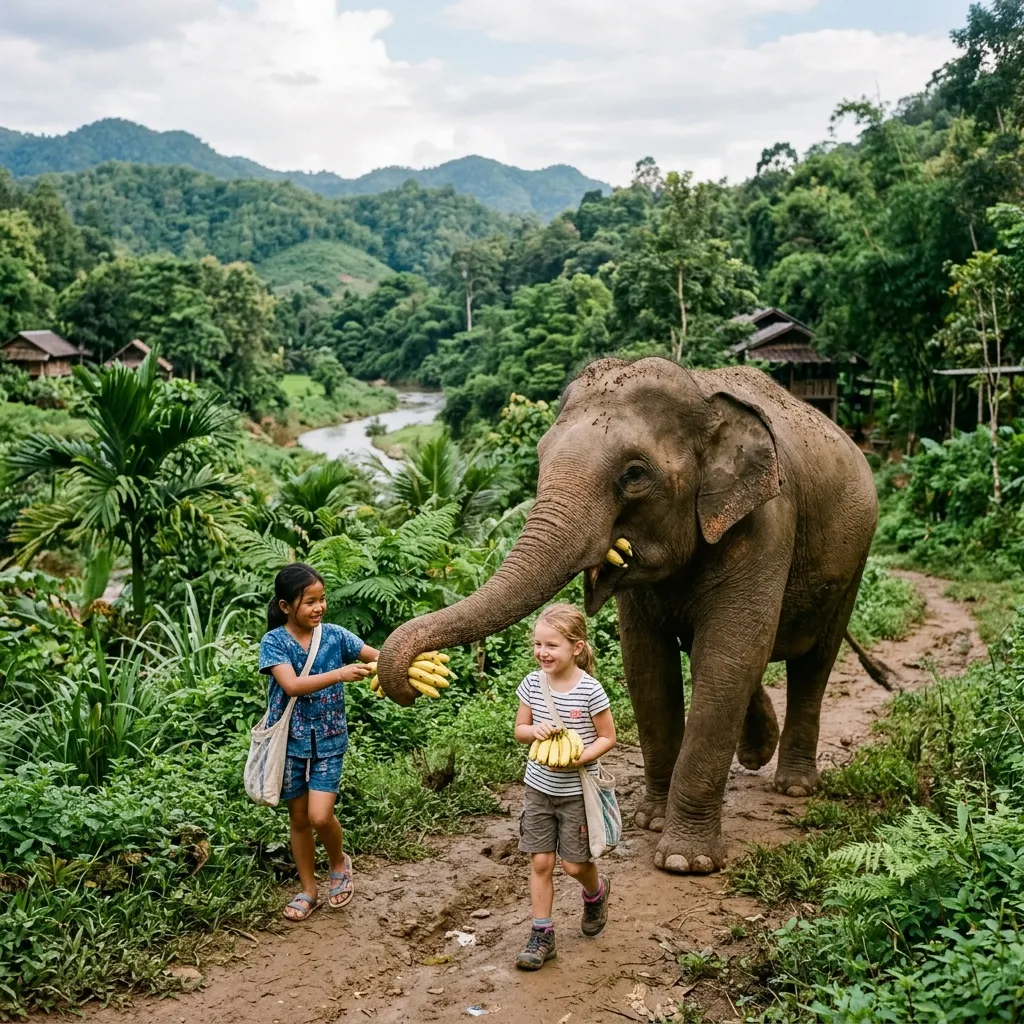
Rescued elephants, no riding, no performances. A day with animals living at their own pace — and the history of how they got here.
 Expert local English-speaking guide
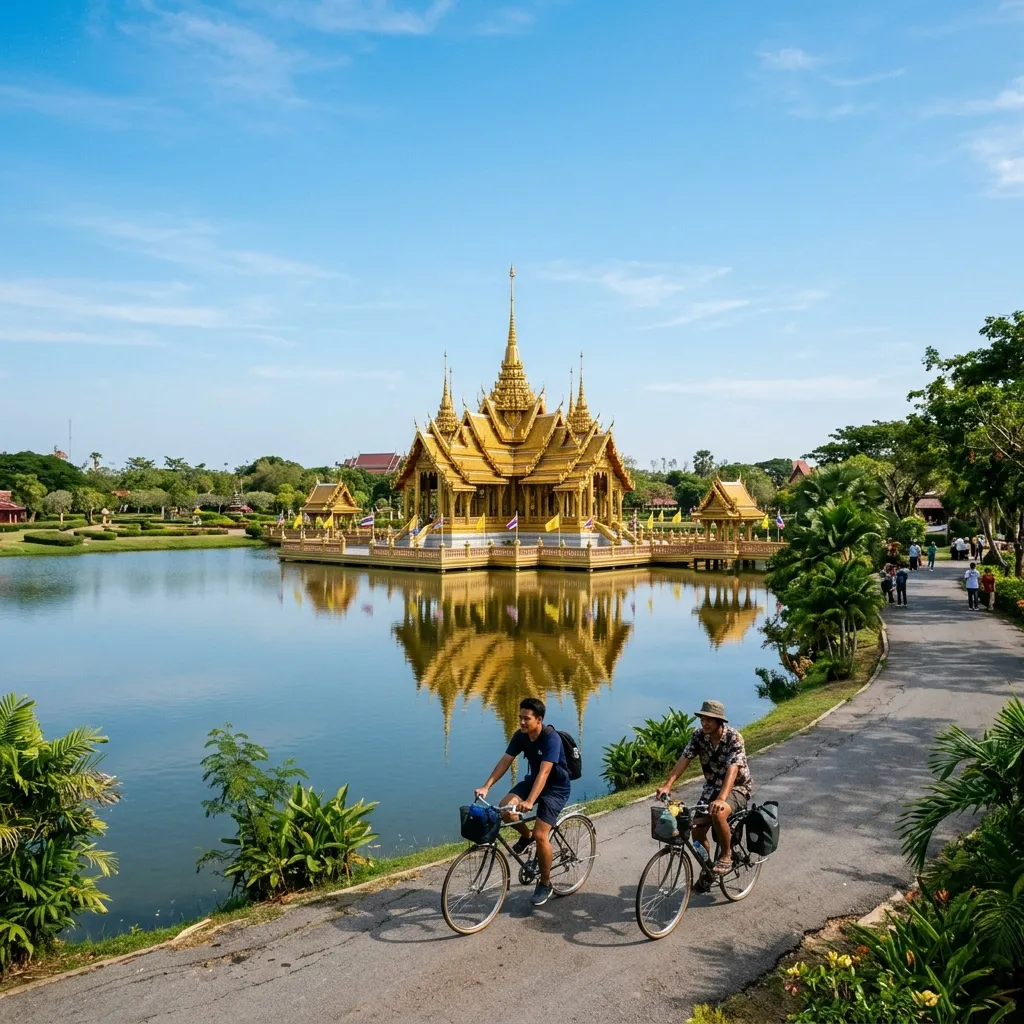
The Ancient City (Muang Boran)
One man reconstructed 120 of Thailand's most important monuments across 200 acres. Khmer towers, Ayutthaya palaces, northern temples — all in one place.
 Expert local English-speaking guide
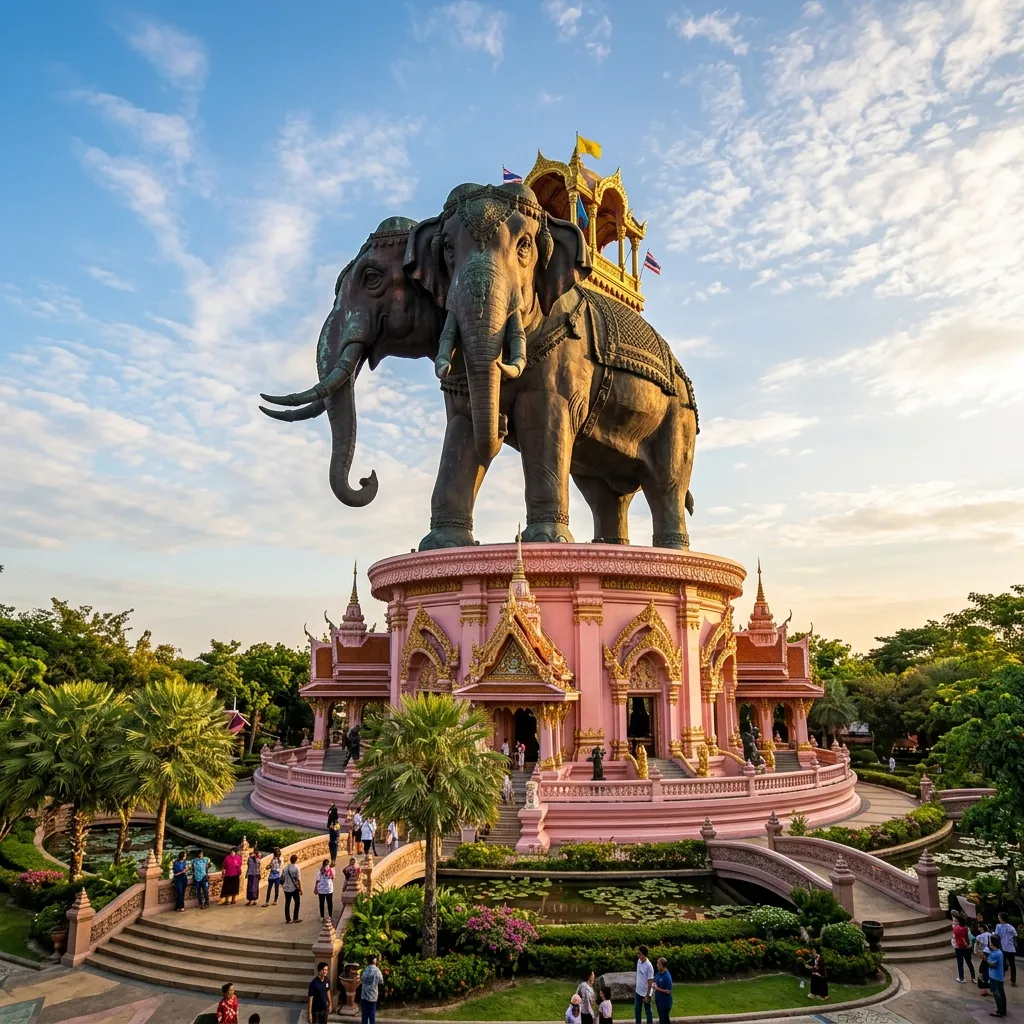
Erawan Museum & Ancient City
A 43-metre copper elephant mapping the cosmos inside. Then 200 acres of reconstructed monuments outside. Both built by the same man, for the same reason.
 Expert local English-speaking guide
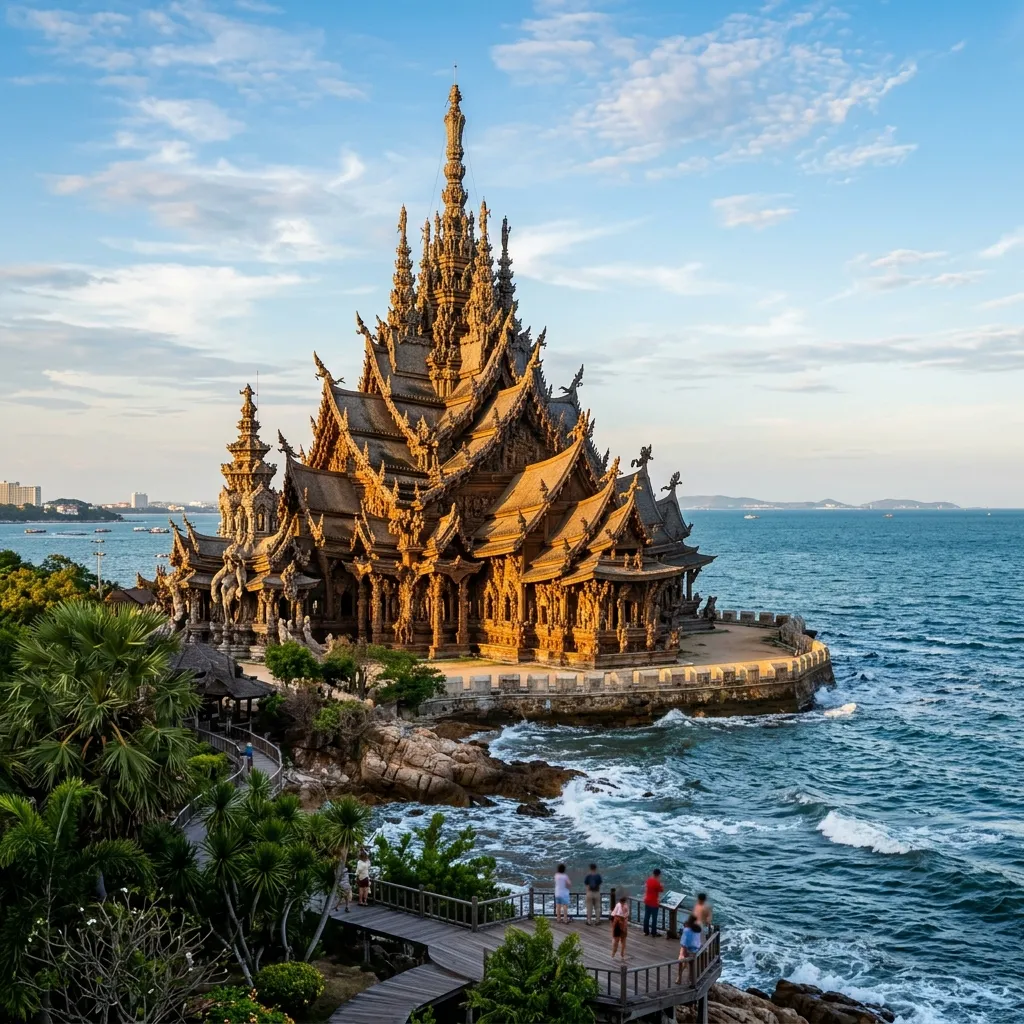
Sanctuary of Truth & Nong Nooch
A 105-metre all-wood temple built without nails, hand-carved since 1981, still unfinished. Then 600 acres of botanical garden. Same coast, one day.
 Expert local English-speaking guide
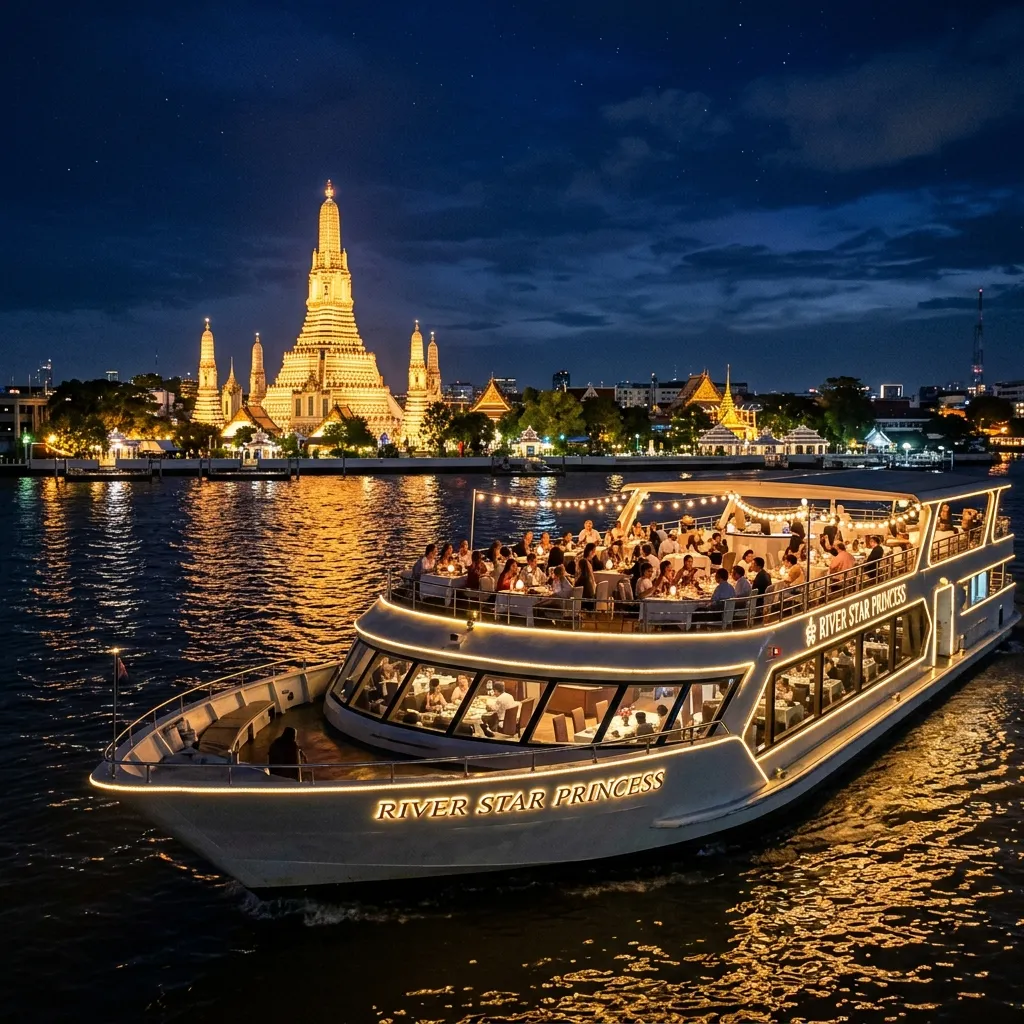
Chao Phraya Dinner Cruise
Watch Wat Arun and the Grand Palace light up from the river. Enjoy a Thai buffet dinner while Bangkok's skyline unfolds around you.
 Expert local English-speaking guide
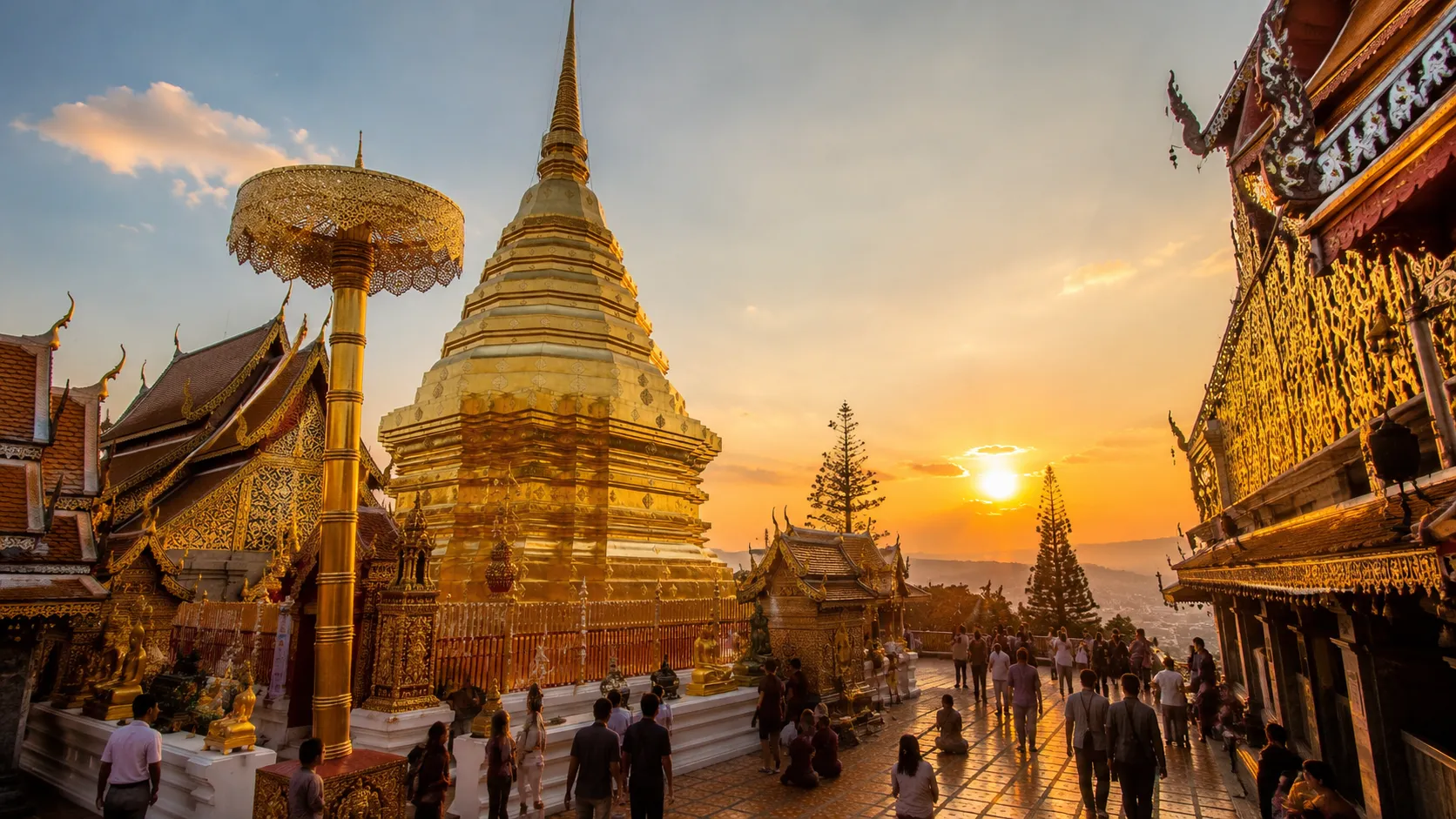
Doi Suthep Temple & Wat Pha Lat
A relic of the Buddha rode up this mountain on a white elephant, who chose where to stop and then died on the spot. The golden chedi built there has watched over Chiang Mai since the 14th century. On the way up, a quiet jungle temple sits hidden in the trees along the old monk's trail.
 Expert local English-speaking guide
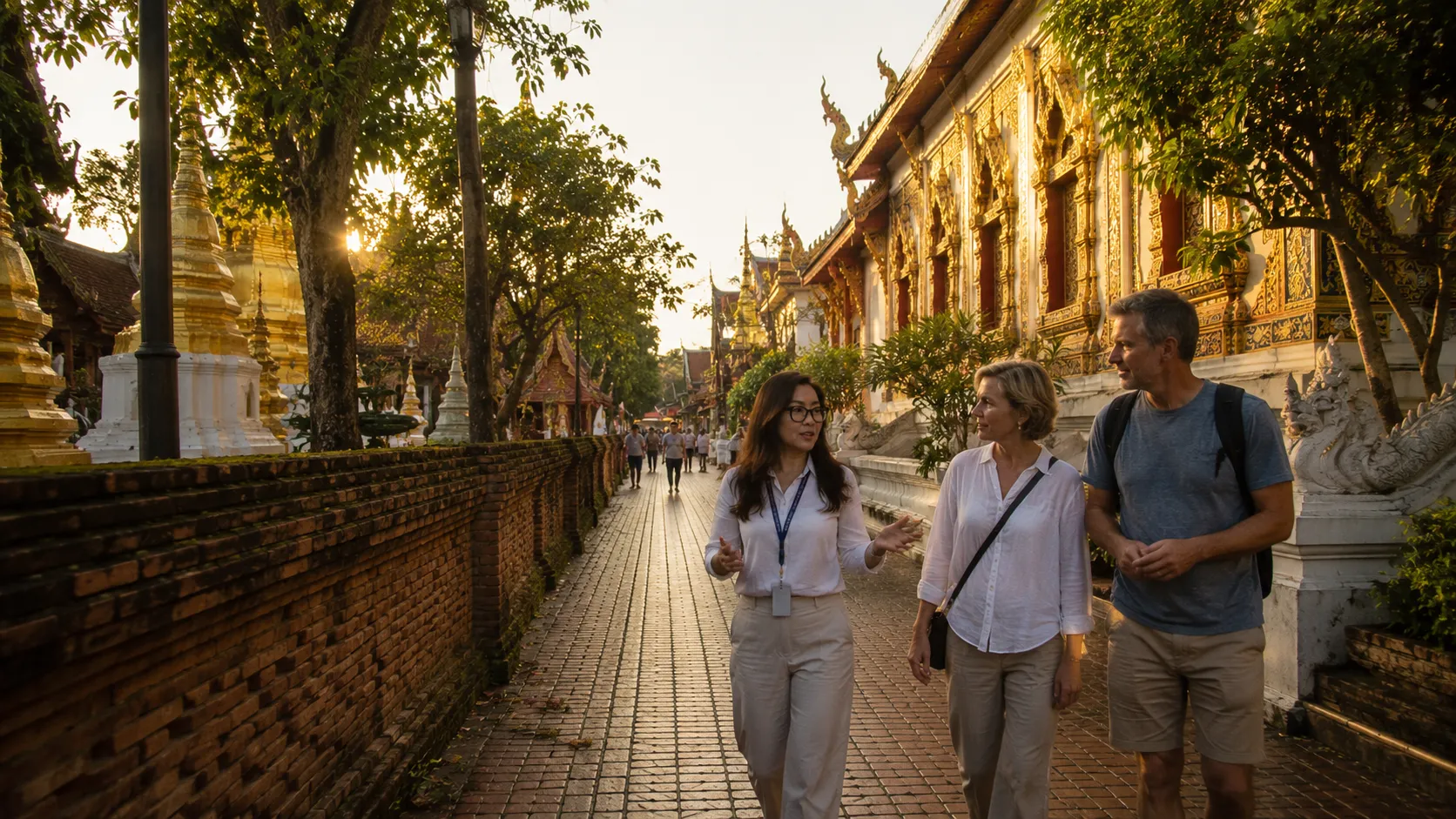
Old City Temples & Lanna Culture Walk
Chiang Mai's first king built his first temple here in 1296, inside the square mile still bounded by a moat and crumbling brick walls. One pagoda lost a third of its height to an earthquake in 1545. Another held the Emerald Buddha for over two hundred years before Bangkok got it.
 Expert local English-speaking guide
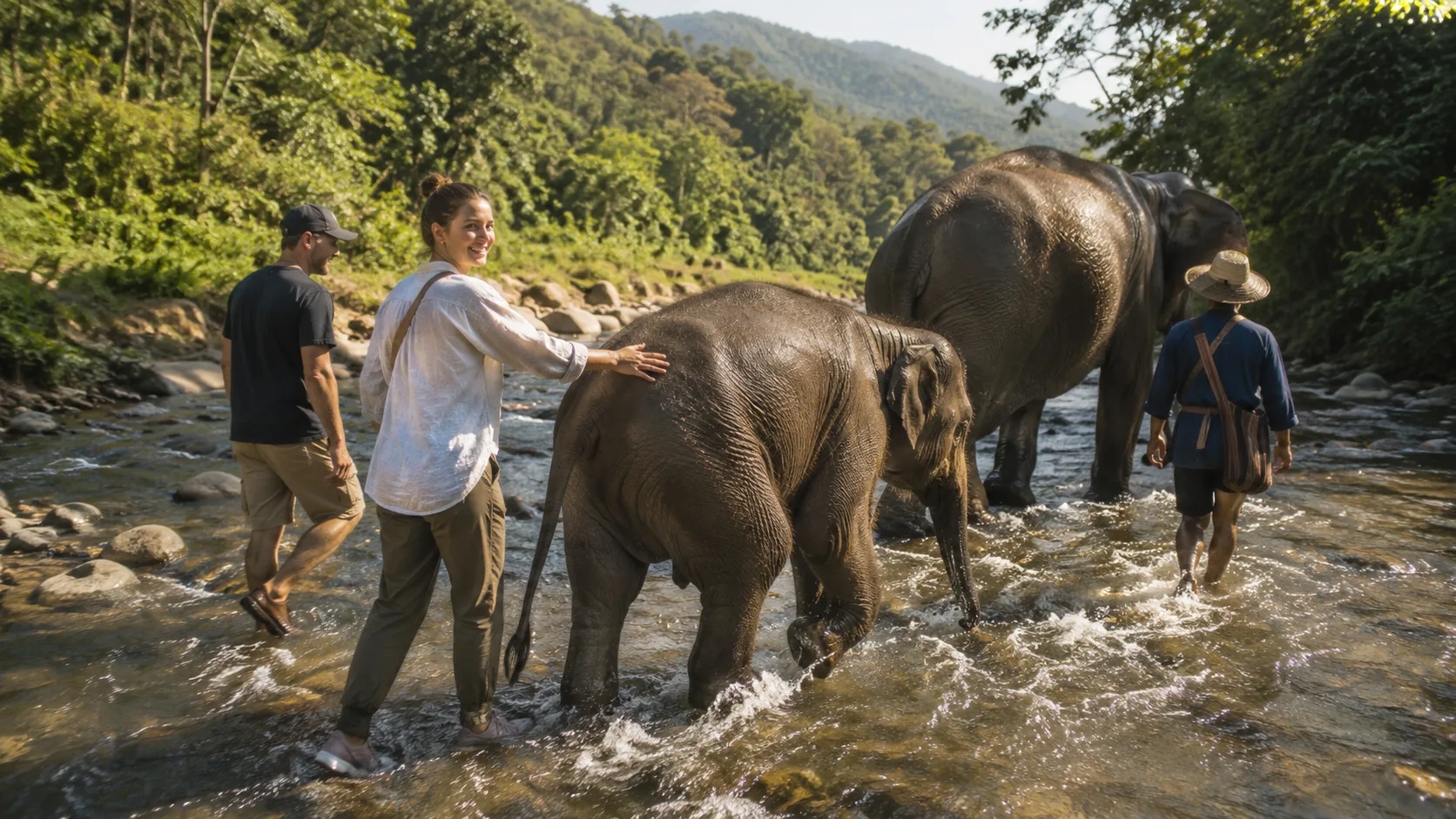
Mae Wang Elephant Sanctuary
Decades hauling logs, then years carrying tourists who never asked if the elephant wanted the job. In the Mae Wang valley, a small rescued herd gets to just be elephants again. You spend the morning preparing their food, walking beside them and joining them at the river, with nobody riding anything.
 Expert local English-speaking guide
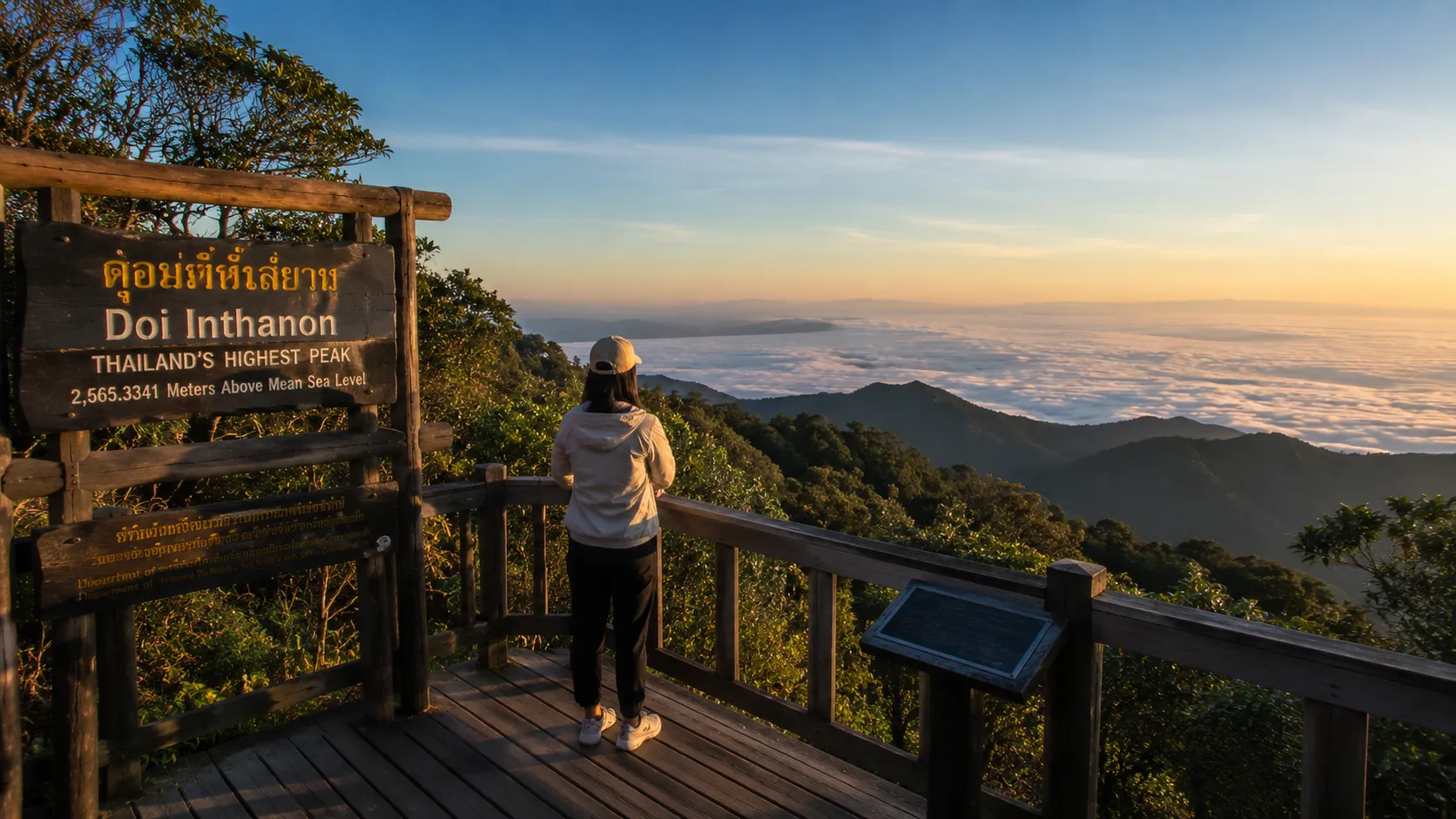
Doi Inthanon National Park
Thailand's highest point isn't a peak you climb, it's a paved car park at 2,565 metres, named for a king who asked to have his ashes scattered there to protect the forest he loved. Everything worth the trip is in the hour around that anticlimax: a waterfall throwing rainbows through its own spray, twin pagodas built for a king and queen's birthdays, and a Karen coffee village farming terraces older than Thai tourism itself.
 Expert local English-speaking guide
Sticky Waterfall & Chiang Dao Cave
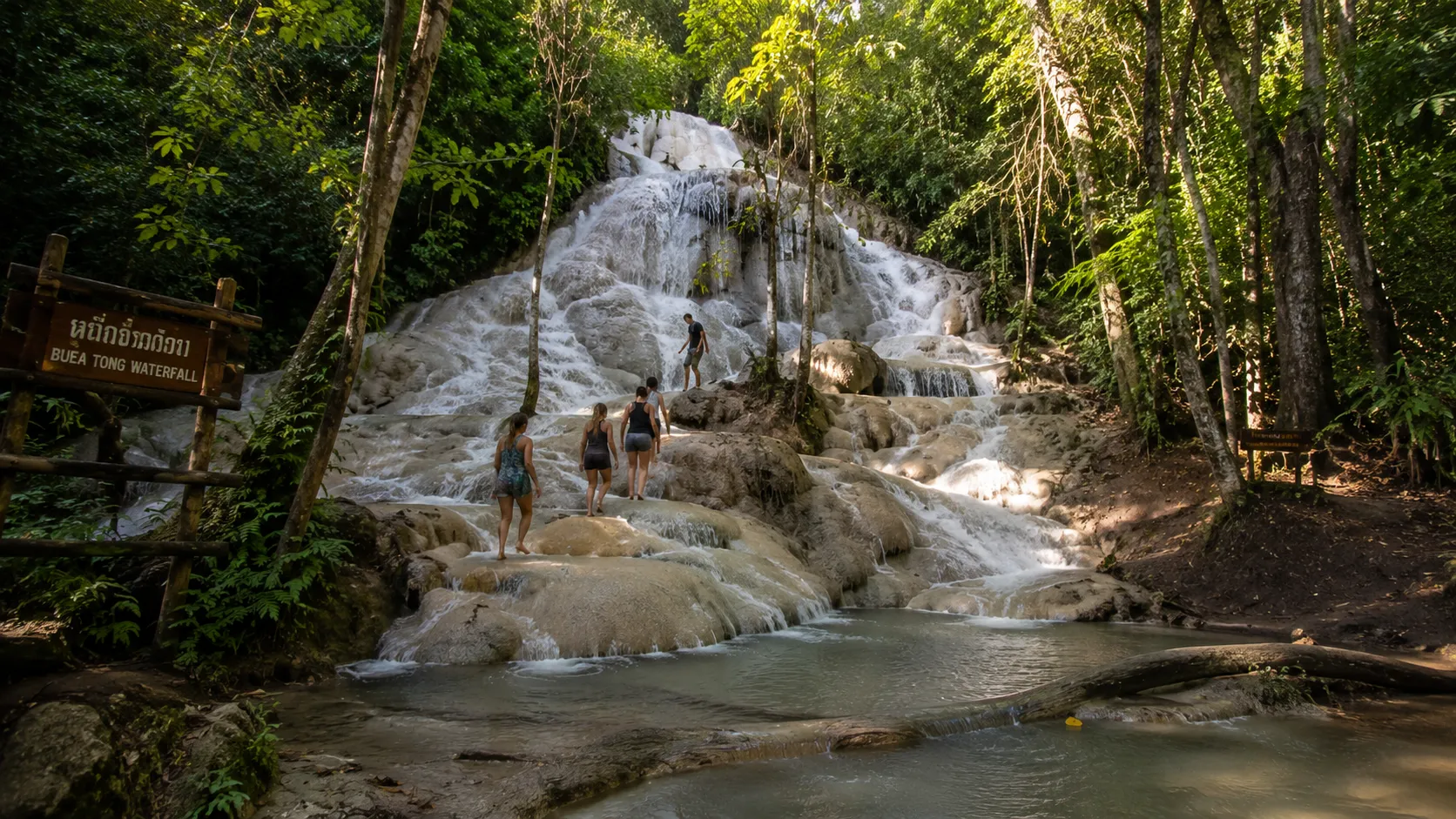
Climb a waterfall in bare feet without slipping once: that's the actual physics of Bua Tong, a cascade coated in calcium carbonate that grips like sandpaper instead of soaking through your shoes. Half an hour away, a sacred cave network disappears into the base of Thailand's third-highest mountain, lit by hand-held lanterns and watched over by a hermit's legend nobody can quite agree on.
 Expert local English-speaking guide
Thai Cooking Class & Market Tour
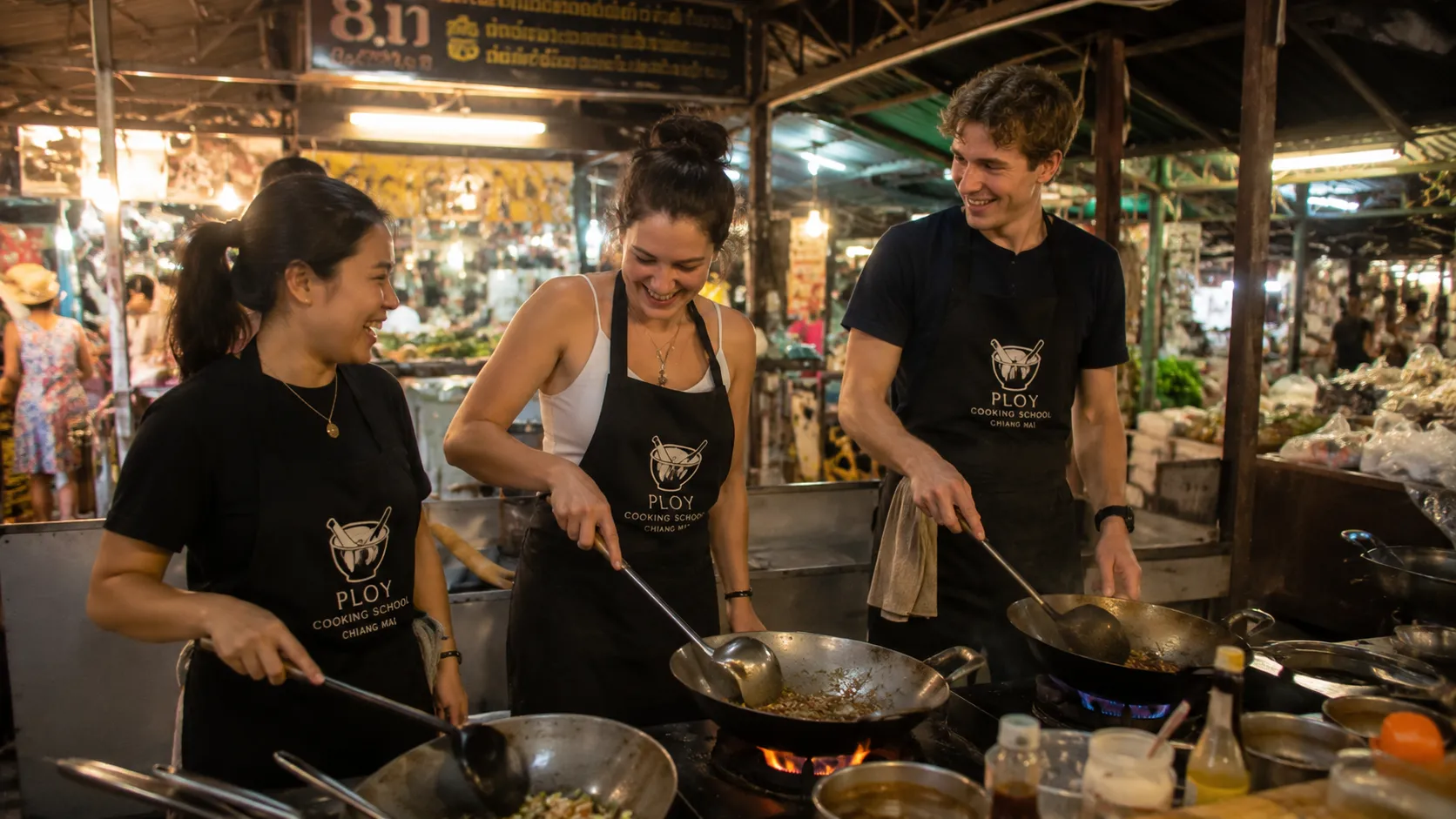
Northern Thai food runs on turmeric, fermented soybean and herbs from the hills — not the fish sauce and curry pastes that define Thai food everywhere south of here. This private class starts at Warorot Market and ends at a table full of dishes you made yourself.
 Expert local English-speaking guide
Chiang Mai Evening Street Food Tour
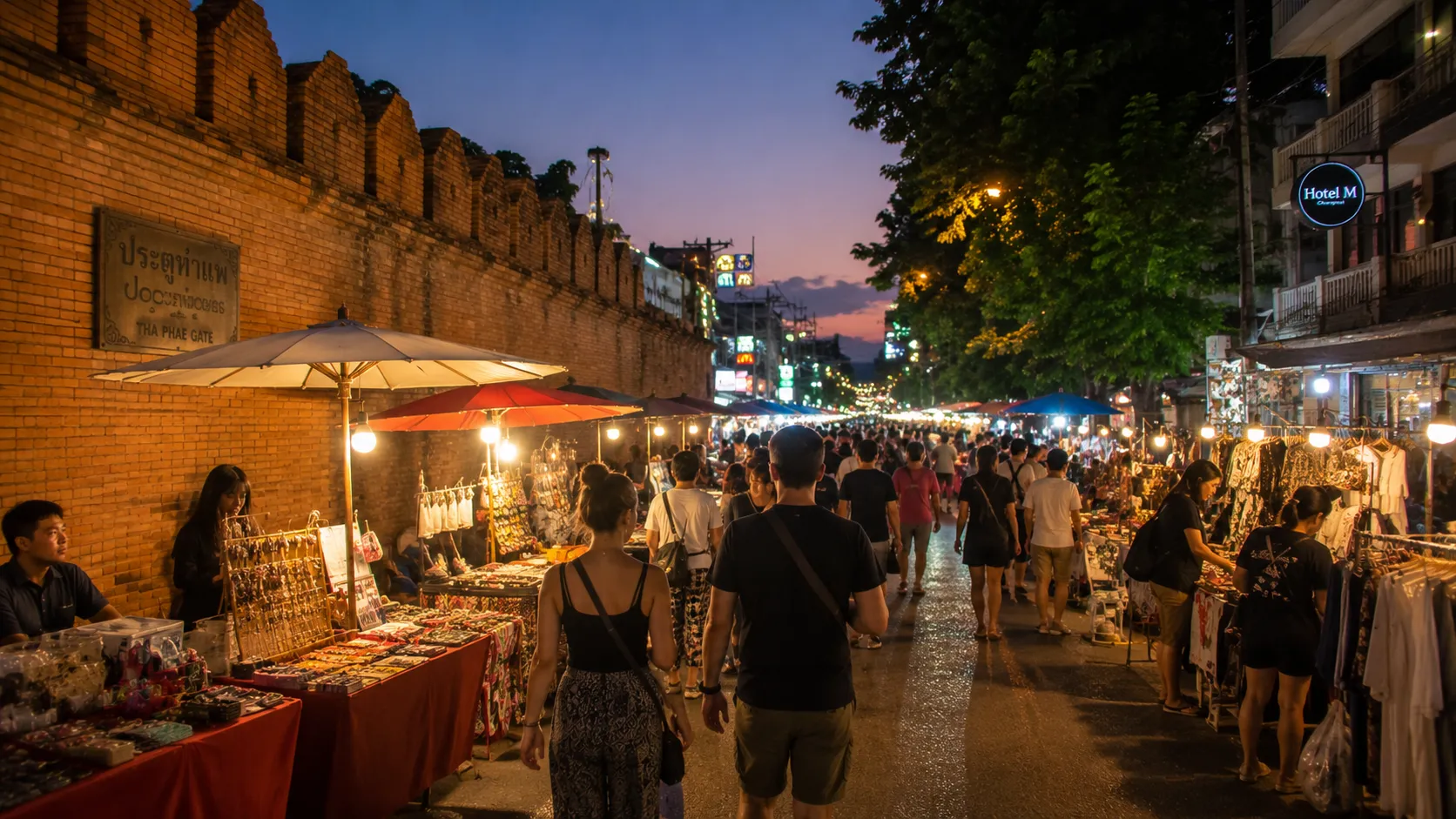
Chiang Mai Gate turns into a different market once the sun goes down: papaya salad pounded to order, skewers turning over charcoal, desserts nobody outside Thailand has heard of. The walk moves through four or five stops on foot rather than sitting down at one, ending wherever the night's best vendor happens to be working.
 Expert local English-speaking guide
Chiang Rai Temples Day Trip
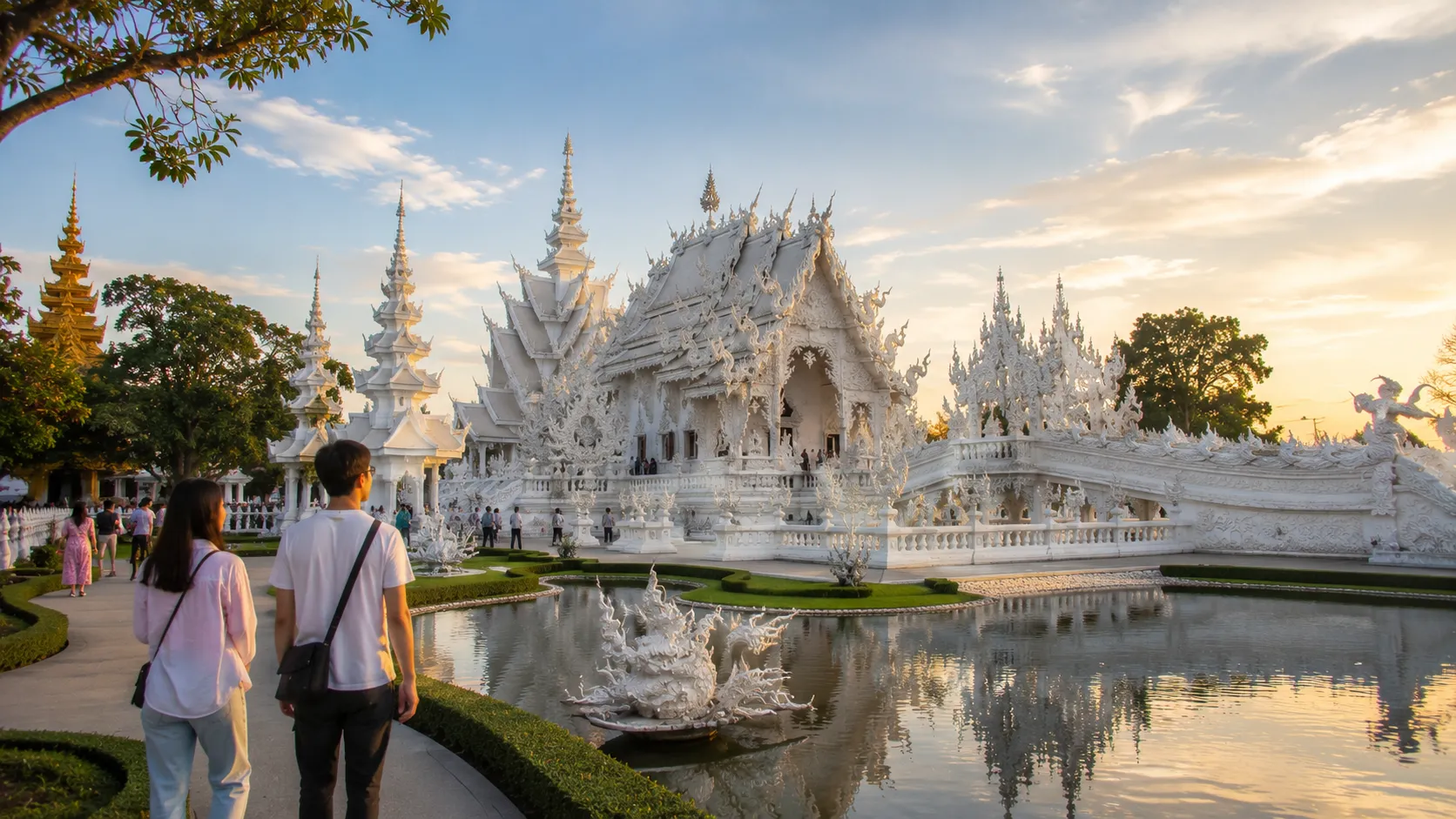
Three artists, three opposite ideas of what a temple should look like. One built an entire complex in white and mirrored glass to represent a purified mind. Another filled black wooden halls with animal skulls and bone to sit with the idea of death. The third painted everything blue, since white was already taken.
 Expert local English-speaking guide
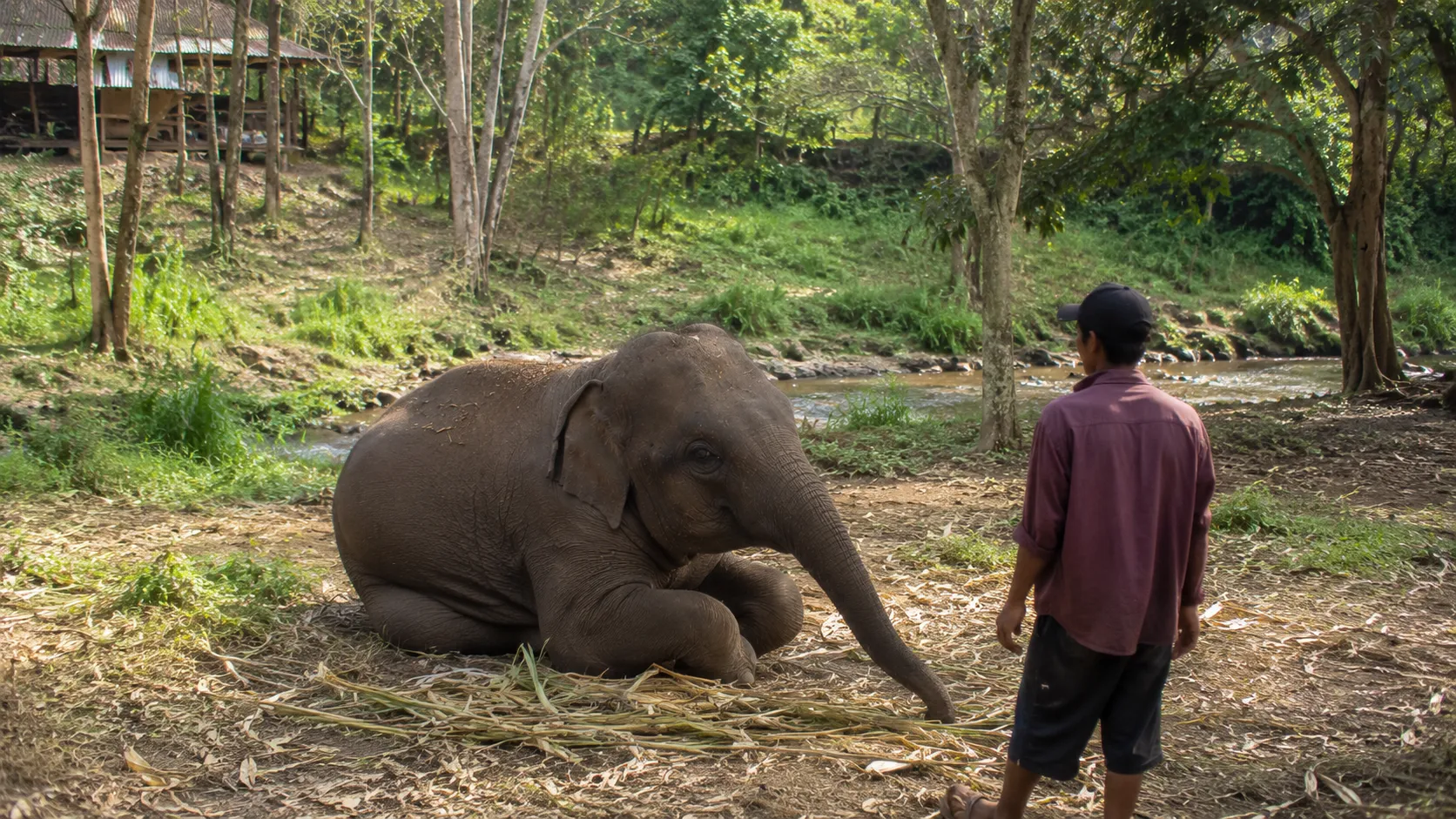
Elephant Sanctuary & Doi Inthanon Combo
The morning moves at an elephant's pace, slow and entirely on their terms. By afternoon you're standing at 2,565 metres, the highest point in the country, where a king once asked to have his ashes scattered. Two of the most requested half-days in Chiang Mai, combined into one long one.
 Expert local English-speaking guide
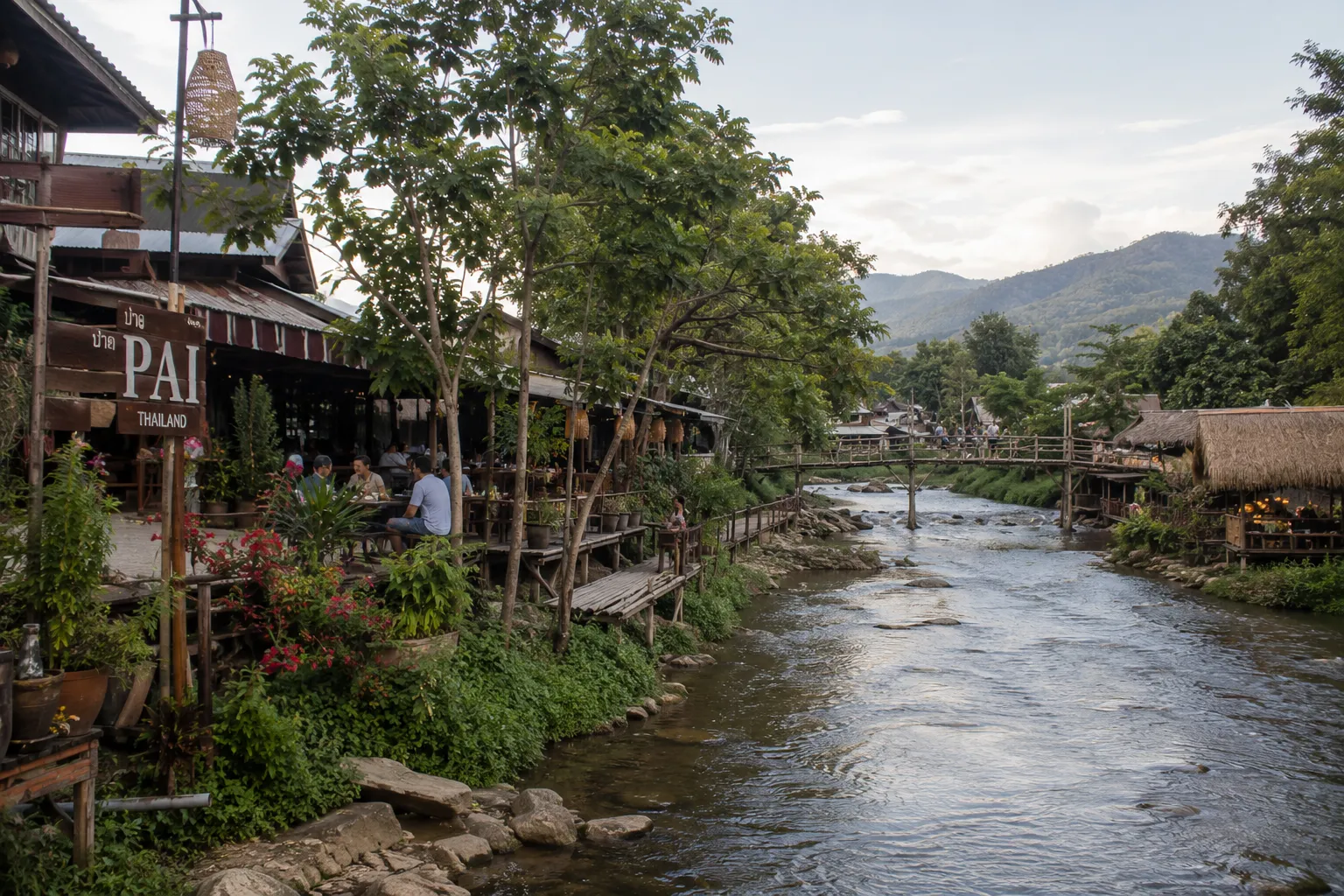
Pai Day Trip from Chiang Mai
Getting to Pai means 762 curves of mountain road — the drive is as much the point as the destination. A WWII bridge, a café famous from a Thai romance film, and a red earth canyon narrow enough to want both hands free.
 Expert local English-speaking guide
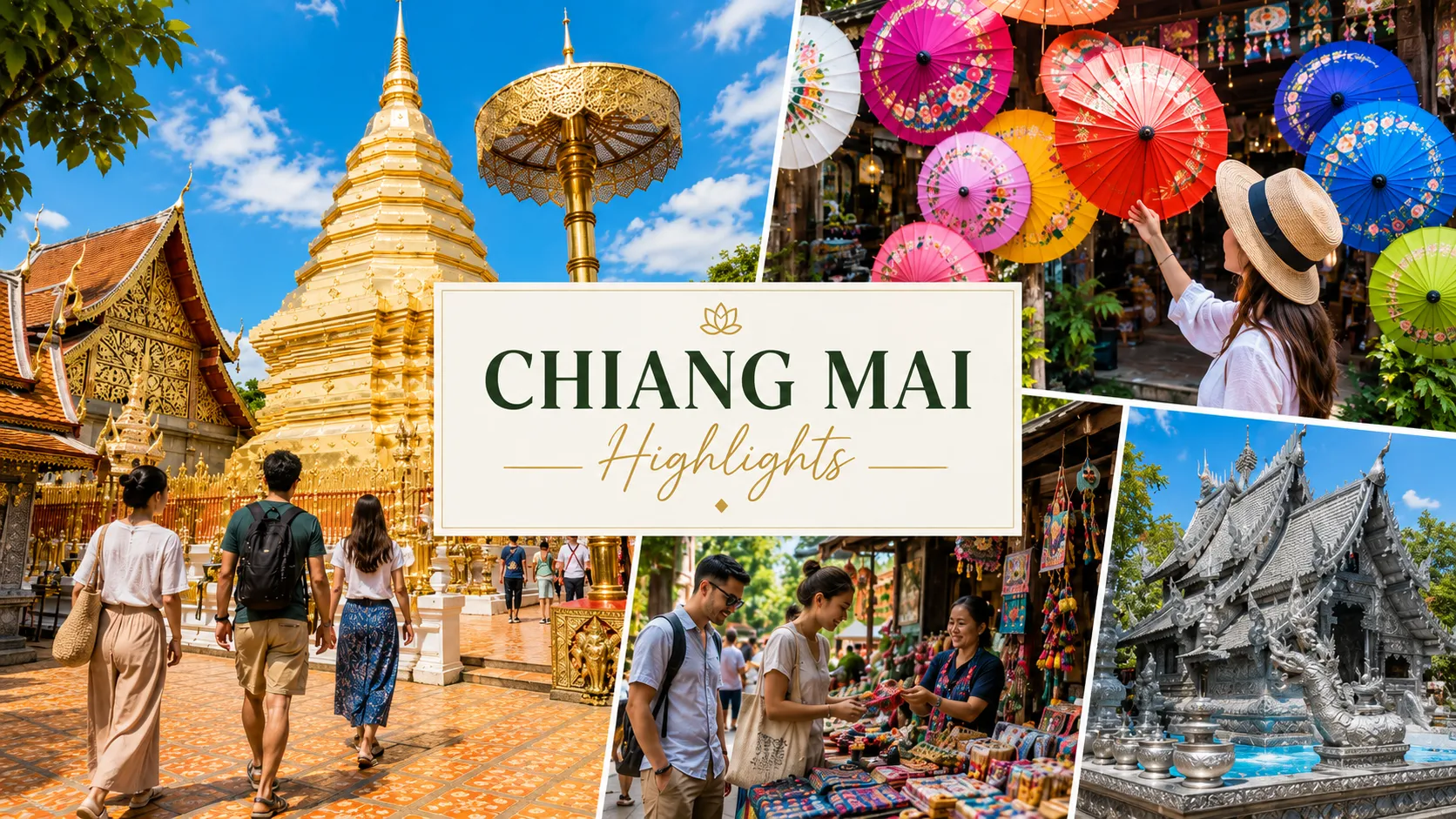
Chiang Mai Instagram & Highlights Tour
Some tours are planned around history. This one is planned around light: golden hour at a hilltop temple, the half hour Bo Sang's umbrellas catch full sun, the one wall at the Silver Temple that actually reads silver instead of grey. Six stops built around when they look best, not just where they are.
 Expert local English-speaking guide
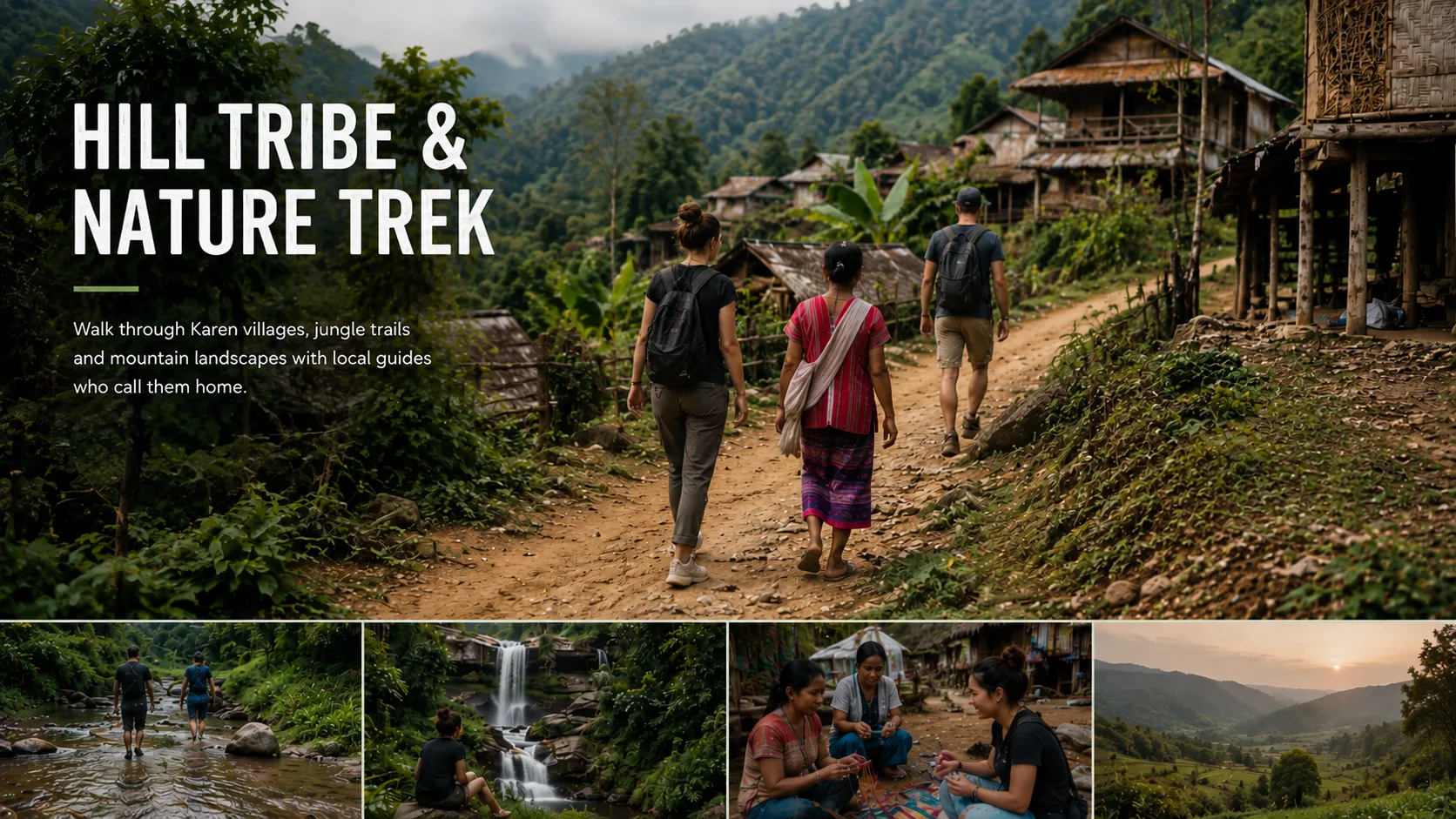
Hill Tribe & Nature Trek
Hill tribe trekking is older than almost anything else on Chiang Mai's tour list, and for a long time it was also the most exploitative: villages turned into photo stops, guests pressured into buying souvenirs nobody wanted. This version pays the same Karen and Lahu communities directly through guiding fees instead, with nothing for sale and nobody asking you to buy it.